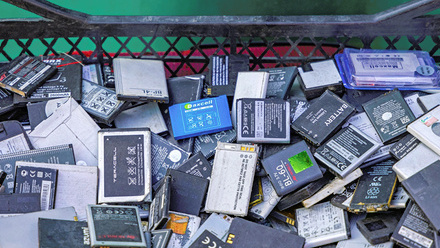
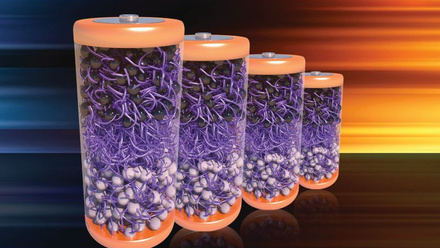
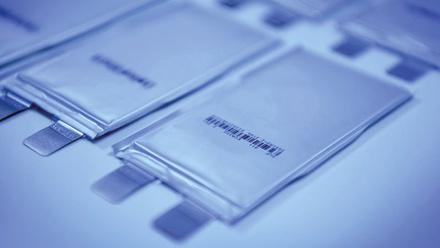
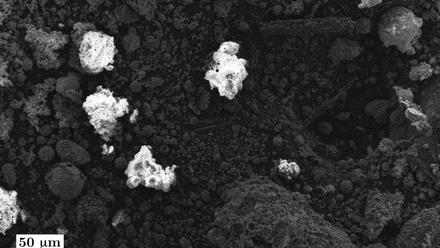
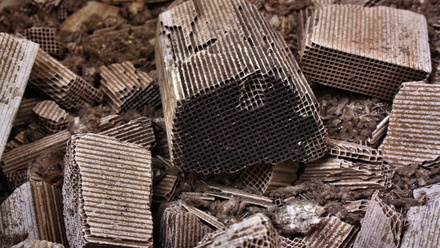
Nickel and cobalt from spent phone batteries and carbon from waste industrial lignin are being combined for anode materials in sodium (Na)-ion batteries.
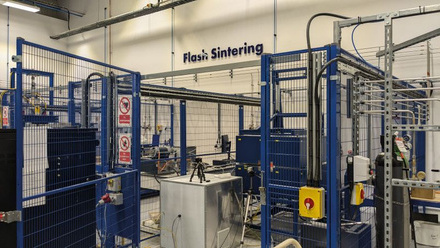
A ternary alkali agent composed of sodium hydroxide (NaOH), sodium aluminate (NaAlO₂) and calcium hydroxide (Ca(OH)₂) reduces the sintering temperature.
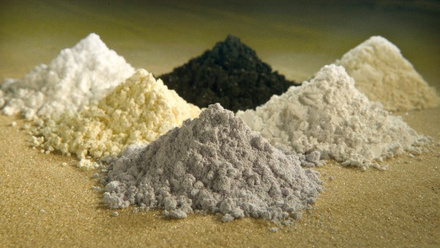
REECON-UK brought together the rare-earth global supply chain to explore recent geopolitical developments, technological advances and resource challenges.
A way of making ammonia using a liquid-metal catalyst requires one-fifth less heat and 98% less pressure than conventional processes, say the inventors at RMIT University, Australia.
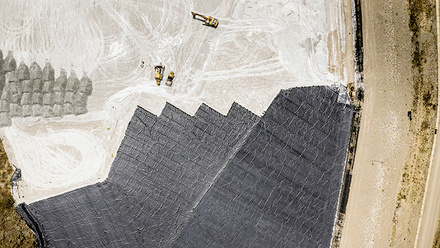
Researchers from the University of Moratuwa and Wayamba University of Sri Lanka delve into the valorisation of waste coal fly ash for applications beyond concrete manufacturing.
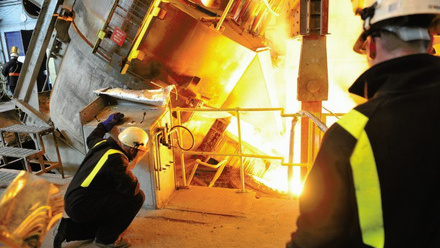
As Phase 3 of the UK's Industrial Energy Transformation Fund opens, previous grant recipients showcased how they are reducing their energy bills and emissions. Alex Brinded reports.
The Brent Cross Town substation is critical to this London borough’s net-zero carbon ambition. Ben Glover of Arup wraps up the development of the largest permanent public artwork in the UK.
Sarah Le Gresley, Innovation Director at Michelmersh, is spearheading the Hydrogen for Brick Manufacture project. Sarah Morgan catches up on her journey.
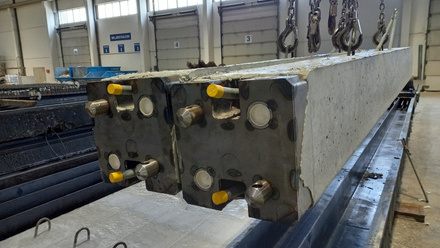
A steel piling joint for concrete pile foundations under buildings, which also extracts geothermal energy, is reportedly quicker, cheaper and safer to use than boring separate wells.