Grants to Support Knowledge Exchange - Marlene Cramer
Marlene Cramer, 2025 Grant to Support Knowledge Exchange recipient, shares her experience.
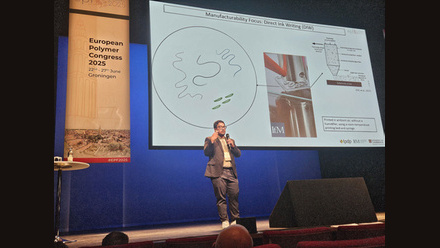
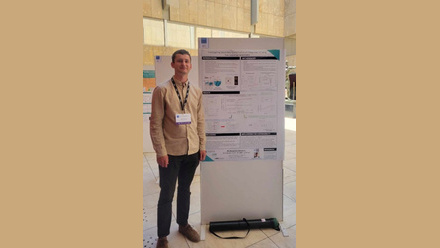
This June I had the amazing opportunity to present my research on hardwood strength grading at the World Conference on Timber Engineering in Brisbane, Australia. This was made possible thanks to the IOM3 Grants to Support Knowledge Exchange and additional funding by the School of Computing, Engineering and the Built Environment at Edinburgh Napier University. The conference is the world’s biggest forum on timber engineering and saw close to 1,000 participants from all over the world. It did not only give me the opportunity to present part of my PhD research, but also to expand my knowledge on a wide range of timbe engineering topics, get inspired by great architectural talks, and link to a huge number of experts in my field. I was especially amazed to see how many presentations focused on old and recovered timber, a topic that has recently become more important as part of the move towards a circular bioeconomy, and I became once more convinced that standards on the strength grading of recovered wood need to be developed in the near future, and that I want to be involved with this work.

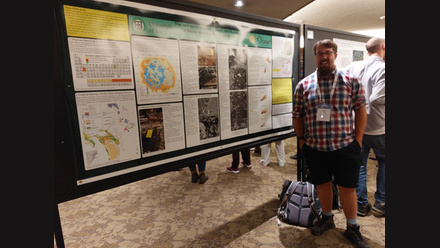
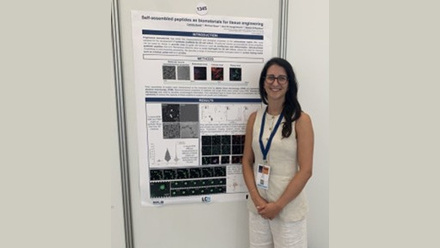
Connecting with other researchers at the WCTE conference
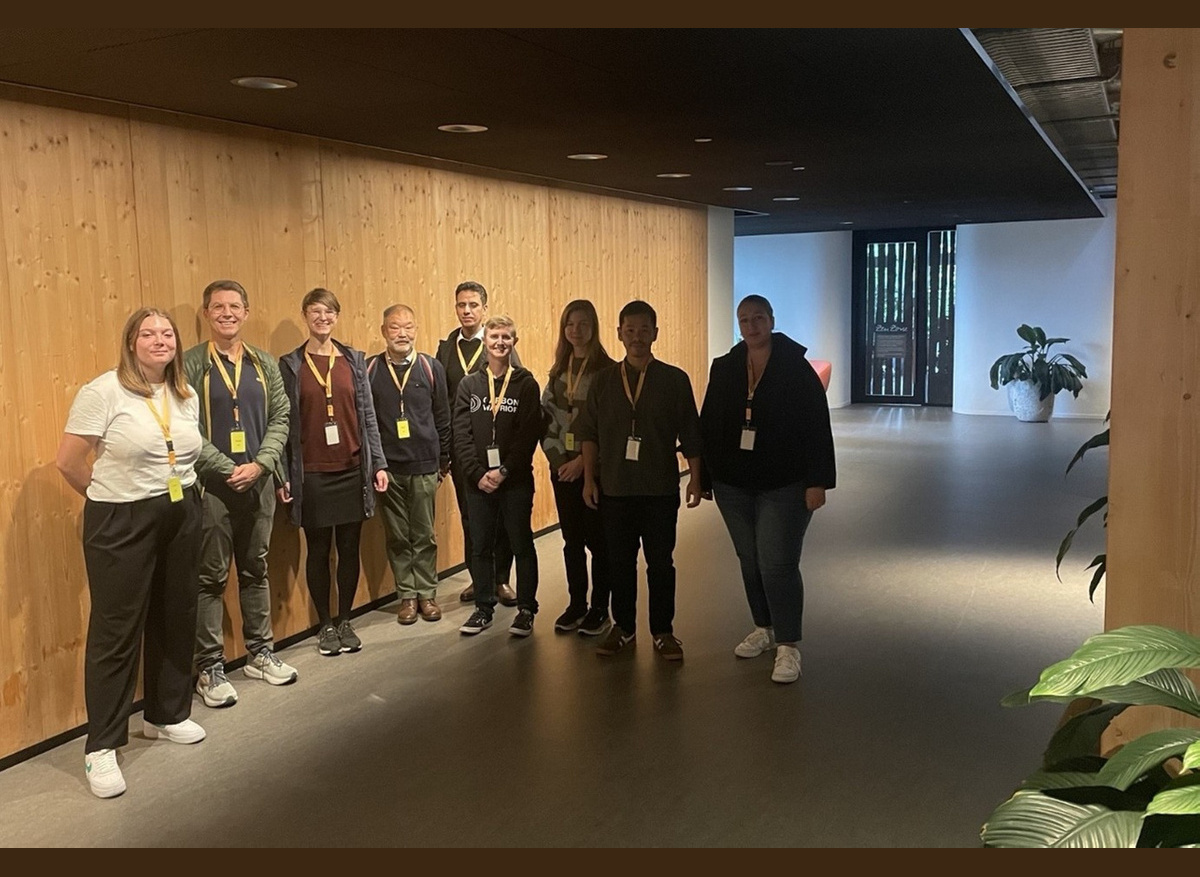
On a tour of Brisbane’s timber buildings

Local fauna
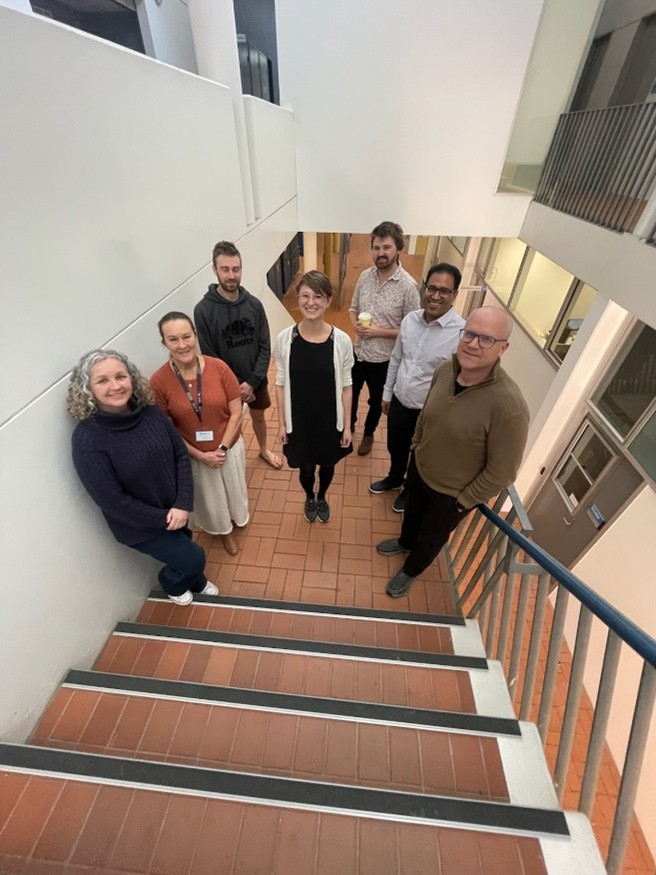
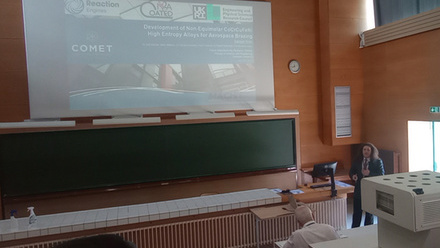
At a research lunch at UniSC
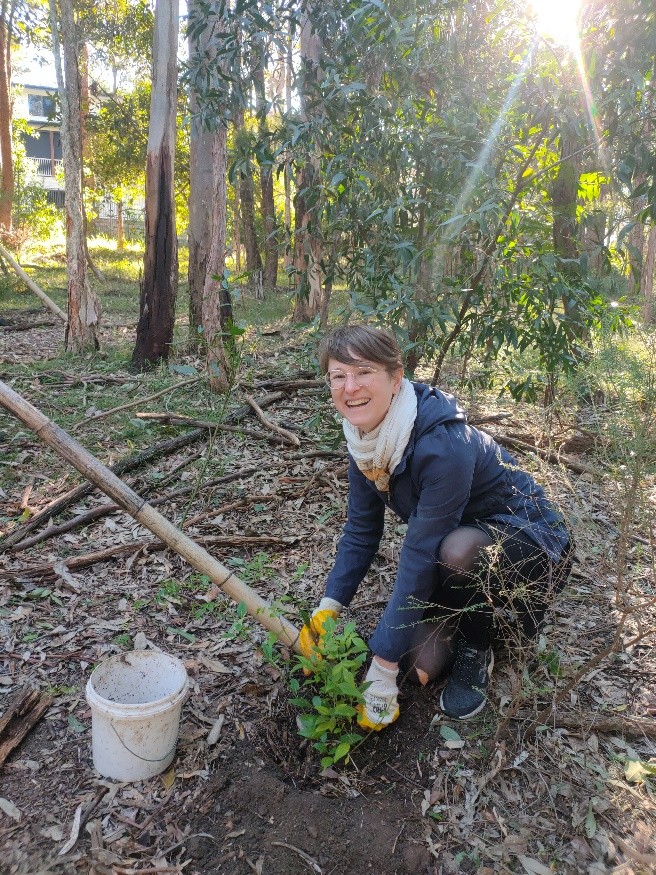
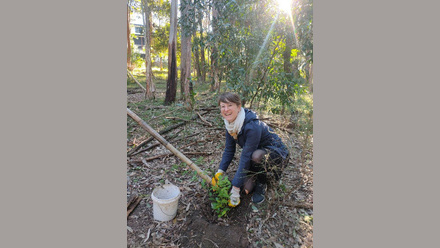
Bushcare in Brisbane
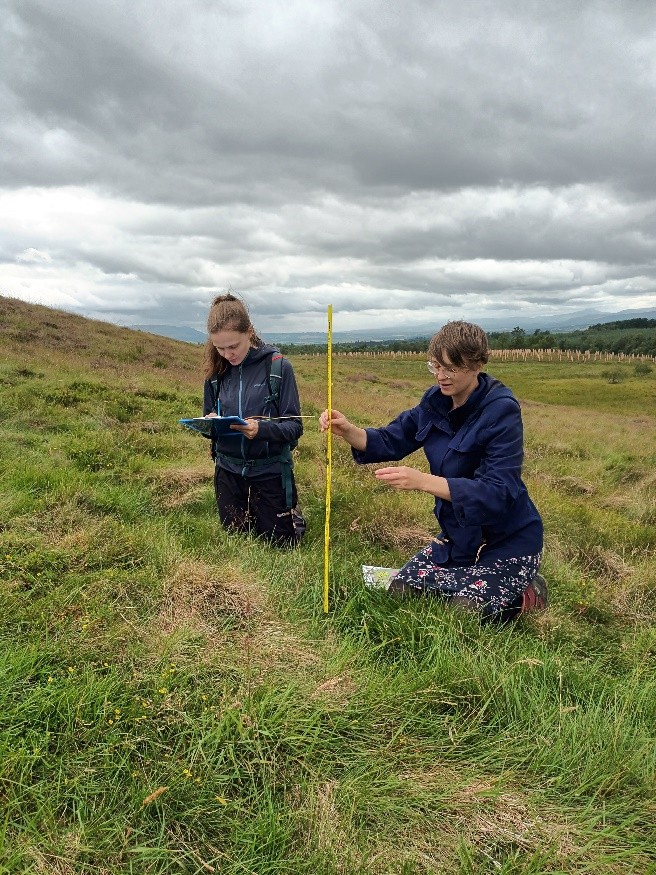
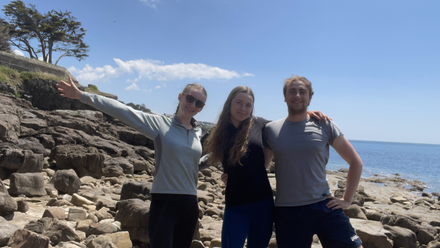
Meadow survey in Scotland
While the development of such standards has only started in Europe, an Interim Industry Standard for the strength grading of recovered hardwoods has existed in Australia since 2008, and at the time of the conference it was in the process of being officially adopted as an Industry Standard. This document had been developed, in large part, by Keith Crews, the chair of the organising committee of WCTE 2025. The IOM3 Grant to Support Knowledge Exchange allowed me to extend my stay in Brisbane to learn first-hand from Keith and his team at the University of Queensland to discover how the Australian strength grading system works and which research went into the standard for recovered timber grading. UQ researchers Lisa Ottenhaus and Duncan Hossy helped me greatly with their insights and providing background information on the topic.
But reading all these documents had to wait until I was back in Scotland. During my three weeks in Australia, I filled up my schedule to make most of my time on the other side of the planet. I joined a tour of Brisbane’s timber buildings, organised by Lisa from UQ, to learn about interesting examples of structural timber, timber retrofit and even recovered hardwood! With the help of Lingju Wu from UQ I organised a student seminar, in which UQ and international research students presented their wood-related research and had the opportunity to discuss it with peers in a much more detailed and less formal way than at WCTE. I also visited the University of the Sunshine Coast, where Pene Mitchell organised a research lunch in which I presented my work and connected with forest and wood scientists at UniSc. I saw first-hand how the Australian wood industry works when I visited a hardwood sawmill and a large merchant for recovered hardwood. I also got in touch with the local flora and fauna on the weekends – On an arboretum walk I learned about native trees, on my nature walks I spotted possums, wallabies and kangaroos, and on a visit to the koala sanctuary I fed potoroos and pademelons (those are real animals, I swear!)
To offset the carbon of the long-distance flights, I donated 15 hours of my time to nature conservation. While in Brisbane, I joined a local bushcare group which meets once a week to work in Mt Petrie Road Park. On the three mornings I joined the group, we planted native shrubs and removed invasive plants like blue billy goat and cat’s claw. Once back in Scotland, I volunteered at a meadow survey organised by the University of Edinburgh. We spent a Saturday identifying the species in different quadrants of the meadow and measuring vegetation height along transects.
Overall, my stay in Australia was not only great fun, but also hugely valuable for my development as a researcher, providing me with opportunities to present my work and connect with others in my field, giving me background knowledge for my PhD topic and inspiring me for future research and standards development. If you are interested to learn in more detail how the Australian standard for strength grading recovered hardwoods works and how it was developed, watch out for a Talking Timber article on the IOM3 website and my presentation at the Future Materials, Minerals & Mining conference in Birmingham on the 10 November.
Marlene Cramer
PhD Student, Edinburgh Napier University