Middle East disruption could halve oil and gas dependence by 2050
Wood Mackenzie also finds that coal rises 20% as countries diversify supply and prioritise domestic resources.
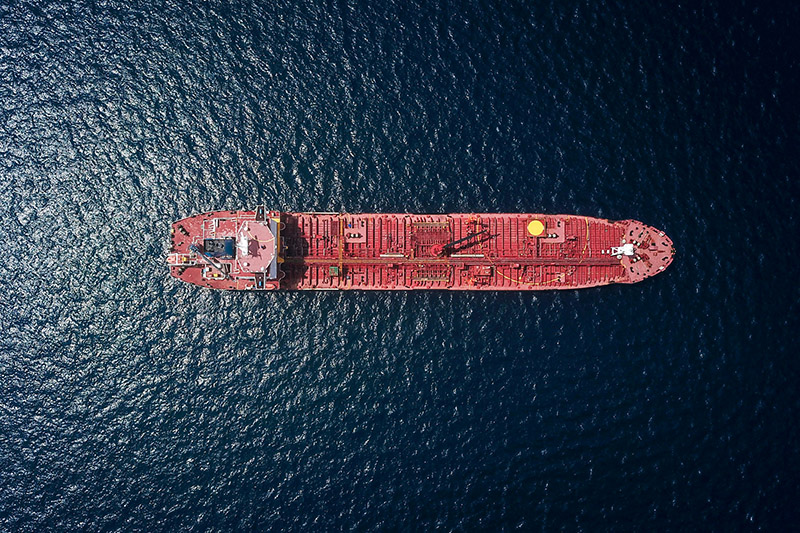
The consultancy says the Middle East disruption could also reduce demand for oil and gas by 20% and 10%, respectively, by 2050, relative to the base case.
As countries prioritise energy security, demand is increasingly being met via electrification, renewables, coal and nuclear, while reliance on globally traded fuels declines, reports Wood Mackenzie.
However, as energy systems become more domestic and diversified, they become more costly. And near-term emissions rise due to increased coal use.
These findings are part of a conflict scenario from the consultancy, exploring how sustained geopolitical instability could reshape global energy demand, supply and investment through 2050.
The scenario assumes a major geopolitical escalation beginning in early 2026, disrupting 15-20% of global oil and LNG supply. In the near term, oil demand falls by around 9% due to supply outages before recovering to pre-crisis levels by 2030.
By 2050, the global energy mix shifts significantly under the conflict scenario:
- Oil demand falls 20% and gas 10%, while coal rises 20% as countries diversify supply and prioritise domestic resources
- Nuclear generation increases 40% above the base case, with both conventional and next-generation technologies scaling from the 2030s
- Renewables continue rapid expansion, forming the backbone of domestic power systems
- Hydrogen and carbon capture adoption declines, as policymakers favour more efficient and secure energy pathways