Middle East conflict compromises plastics and construction materials supply
Europe's plastics converters report an ‘emergency situation’, while construction consultant Linesight outlines supply risks.
Plastics converting and processing companies in Europe are significantly impacted by escalating geopolitical tensions in the Middle East, according to the European Plastics Converters (EPC) body.
The challenges are defined by sudden increases in the prices of plastic raw materials, instability in supply availability, increasing energy and logistics costs, and reduced predictability in continuous production planning.
The European plastics industry comprises just over 50,000 companies employing more than 1.6 million people and a turnover of more than €300bln.
Existing commitments to the circular economy transition are already creating challenging conditions, with significant industrial investment and technological upgrades required across the entire supply chain. Given these conditions, small- and medium-sized enterprises are being particularly affected.
Companies in the supply chain are already operating with compressed margins and seeing decreased profitability, but if raw material and energy costs continue to rise, they may be compelled to stop or reduce some production, says the EPC. Some companies may even be at risk of going out of business.
President of EPC Benoit Hennaut says, ‘Given such extreme volatility in raw materials and energy prices, price increases will have to be passed on along the entire plastic value chain.’
The organisation is calling upon European politicians and states to putt a cap on energy prices in Europe and use all diplomatic efforts to stop the energy war in the Middle East.
Meanwhile, an article by Derek McNamara, Vice President of Global Supply Chain Management at Linesight, highlights that the Middle East conflict is posing similar challenges for the supply of construction materials.
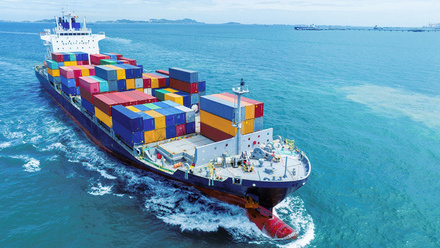
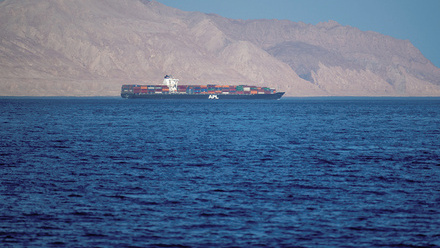
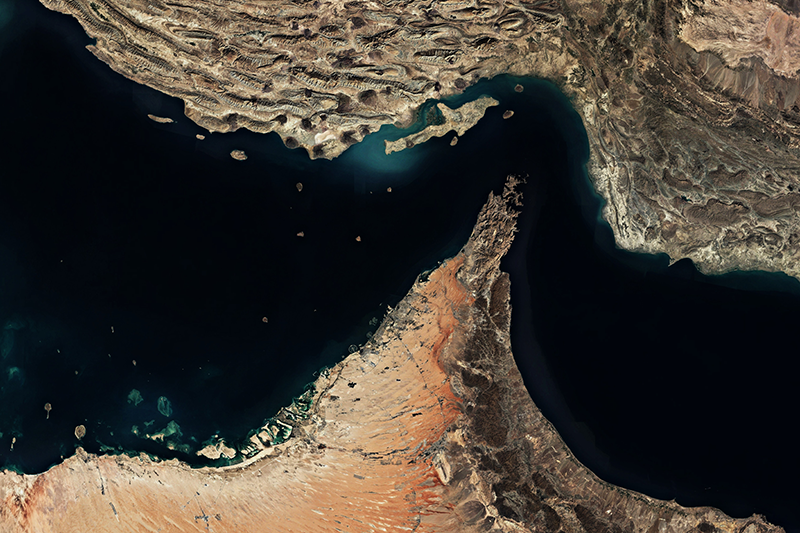
McNamara cites escalation around the Strait of Hormuz as increasing logistics risk, lifting war-risk insurance and bunker costs, and adding a risk premium to crude oil and liquefied natural gas.
He also says this shock is compounded by the 2024-25 Red Sea-Suez disruption that ‘tightened effective shipping capacity’.
The article details challenges for steel, aluminium, cement and copper, and provides suggestions for project owners to ‘limit cost and programme exposure’ with a focus on ‘clarity, speed and protection’.