Middle eastern war disrupting helium supply
The ongoing conflict is affecting global markets and supply chains with helium particularly affected.
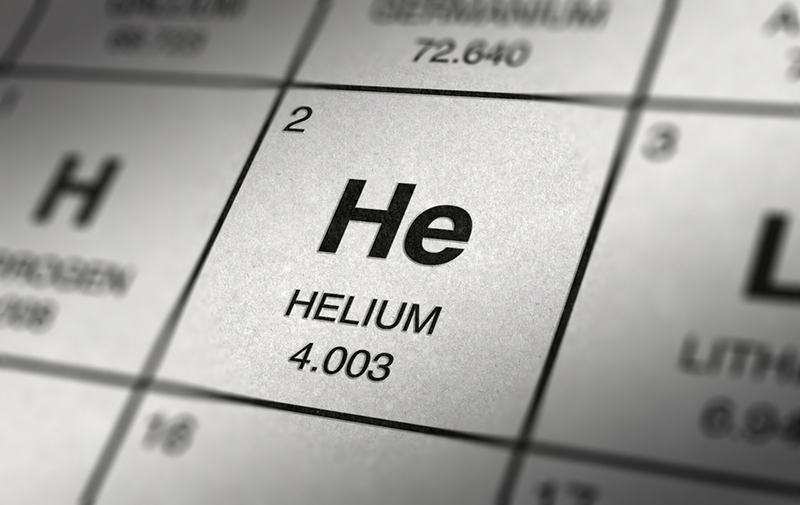
Semiconductor production relies on helium and so do all the industries that make use of them including advanced manufacturing operations, medical imaging, space rockets and data centres. Qatar supplies around one‑third of global helium output, produced as a byproduct of LNG.
Recent missile strikes meant QatarEnergy was forced to shut down its Ras Laffan facility, the world’s largest LNG export plant. The move has effectively frozen helium output.
The company has stated that the extensive damage will take up to five years to repair and will cut annual helium exports by 14%. The attacks also targeted the Pearl GTL (Gas-to-Liquids) facility, a production sharing agreement operated by Shell, that converts natural gas into high-quality cleaner burning drop-in fuels and produces base oils used to make premium engine oils and lubricants, and paraffins and waxes.
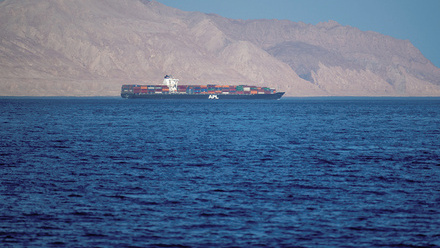
This is without considering the lack of traffic through the Strat of Hormuz, which has a further knock-on effect as those supplies produced cannot leave the region. Nor is it easy to store the gas as helium has small molecules that seep out of containment systems.
Therefore, global supply is tight and runs on roughly 45 days of liquid inventory. This means that helium prices have doubled since the war began with forecasts suggesting another doubling is on the cards.
America and Algeria have some helium sources, as does Russia. However Russian supplies are sanctioned and remaining sources are nowhere near enough to replace Qatari supplies.
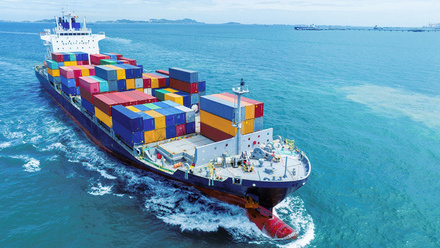
Up to 15% of goods passing through the Strait of Hormuz are non-energy materials, these include critical commodities providing inputs for multiple industries such as agriculture with half of the worlds urea, essential for fertilizers, travelling through the Strait.