Energy security becoming a bigger issue for the UK
Events in the Middle East are driving concerns over national energy security.
Defence experts are urging the UK to treat energy security as part of national security and accelerate renewables to reduce exposure to global price shocks.
A report by Public First, produced in collaboration with the Royal United Services Institute (RUSI) and commissioned by RenewableUK, warns that ongoing reliance on internationally-traded gas has left the UK over-exposed to global price shocks, fiscal risk and hostile state activity.
The report finds that although the UK’s energy system is resilient, this puts consumers at risk of price increases due to unpredictable spikes in the costs of fossil fuels.
The findings draw on a detailed wargame exercise involving experts from COBRA-level emergency planning, the National Energy System Operator (NESO), National Grid, National Gas, the Department for Energy Security and Net Zero, oil and gas companies, and renewable energy developers.
The authors also conducted interviews with specialists from the Ministry of Defence, NATO and the Alan Turing Institute.
Across a wide range of scenarios in the wargame, including geopolitical conflict, extreme weather and infrastructure disruption, the UK continued to supply electricity to households and businesses. However, exposure to global gas markets quickly pushed up bills, leading to increased public spending and political and fiscal uncertainty that could be weaponised by hostile states.
The report concludes that as geopolitical shocks, extreme weather and cyber threats become more frequent, energy security must be treated with the same seriousness as defence capability, supply chains and other critical national infrastructure.
The report calls for the defence and security community to formally recognise energy system resilience as a national security asset.
Meanwhile, Energy Secretary Ed Miliband has outlined a package of measures to go ‘further and faster’ in the pursuit of energy security. Measures include:
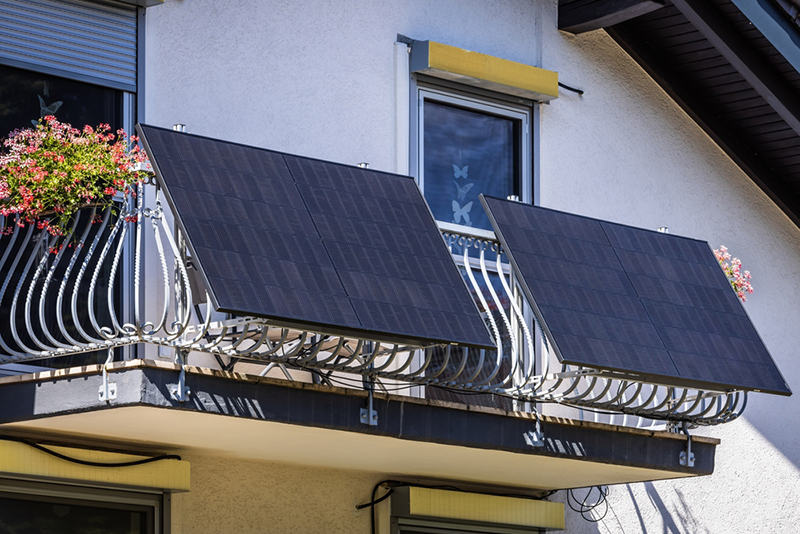
- ‘Plug-in solar’. Low-cost solar panels will be sold at supermarkets for use on balconies or outdoor space, in the UK for the first time
- Bringing forward the government’s next annual renewables auction to July, inviting renewables companies to invest in UK energy
- Lessons of the Fingleton Review into speeding up the building of nuclear power stations, will be applied to other infrastructure such as renewables.