90% of UK North Sea oil and gas ‘already drained’ says analysis
Analysis from the Energy & Climate Intelligence Unit says new drilling could equal under 2% of the total already extracted.
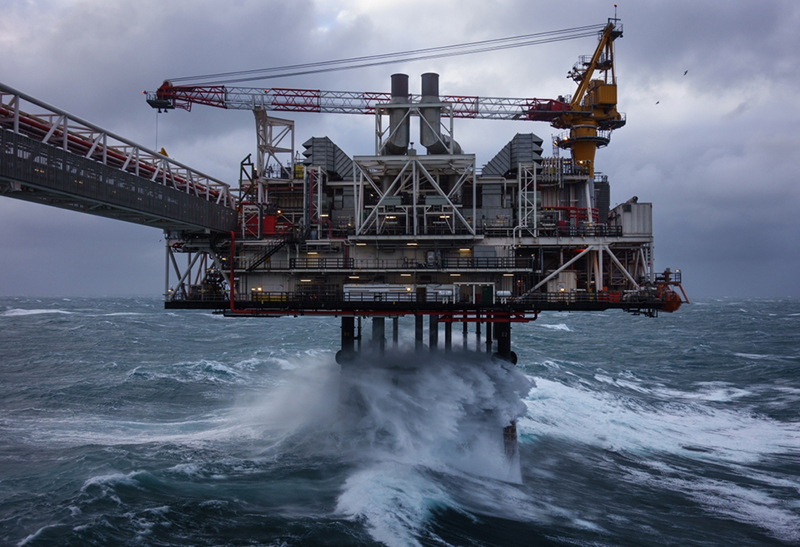
With tensions in the Middle East driving energy price increases globally, there have been calls to reconsider drilling in the North Sea.
Using official UK oil and gas statistics and projections, the Energy & Climate Intelligence Unit (ECIU) suggests that 93% of the oil and gas that is likely to be produced from the North Sea has already been extracted.
The group is a non-profit organisation with the intention to support informed debate on energy and climate change issues in the UK.
The analysis shows that that 4.1Bt of oil has been extracted in the UK since 1975, with the North Sea Transition Authority (NSTA) projecting a further 218Mt out to 2050 from existing fields.
These projections suggest that new drilling could yield another 74Mt, equivalent to 1.7% of the total that could be extracted from 1975 to 2050.
For gas, the UK has produced 33,421TWh since commercial operations began in 1967, with projected production out to 2050 of a further 2,060TWh from existing fields and up to an extra 381TWh (1.1% of the total) from new drilling.
This data suggests that, for both oil and gas, 93% of the totals that could be extracted from the 1960s and 70s to 2050 has already been removed, leaving just 7% for the next 25 years.
Dr Simon Cran-McGreehin, Head of Analysis at ECIU says ‘The official statistics are clear that the North Sea is a mature basin and the vast majority of oil and gas have already been drained dry. Whether you drill or not, oil and gas output will continue to decline, and any extra North Sea drilling has only a comparatively small and temporary impact on the need to import foreign oil and gas.’
Compared to the maximum oil production that occurred in 1999, UK output in 2025 was 77% lower. This was equivalent to just 55% of UK use of oil-based fuels in 2025, but the complex web of international flows to and from refineries and distribution centres means that around 95% of fuels used in the UK have been imported at some stage of their supply chain.