Data science to optimise energy use in kilns
Lucideon is helping homeware brand Portmeirion better understand the firing process.
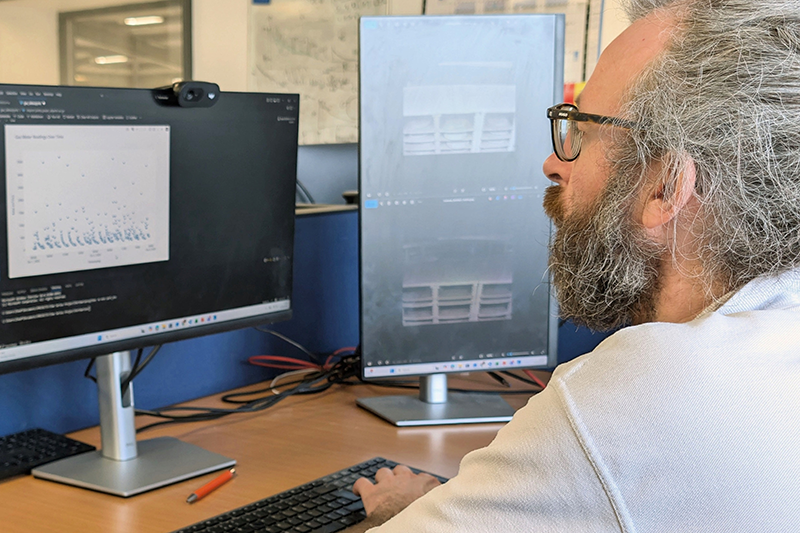
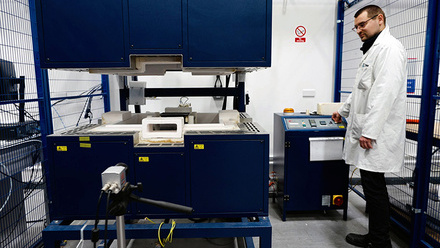
A Lucideon data scientist analysing findings from Portmeirion’s biscuit kiln
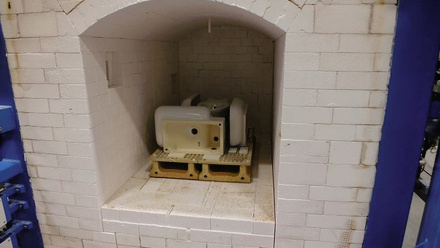
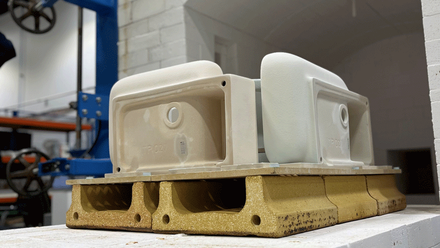
© LucideonThe aim is to reduce the amount of natural gas burned in Portmeirion’s production process through measuring, analysing and computationally modelling the loading of premium earthenware products into their biscuit kiln.
The six-month project initially involves capturing data from the production line through a collection of sensors, including temperature monitoring and computer vision.
This data will reportedly be analysed with the goal of optimising biscuit kiln performance and delivering cost and sustainability benefits.
The team then plans to introduce modifications and fine-tune the kiln activity.
Dominic Wadkin-Snaith, Data Science Business Development Manager at Lucideon, says, ‘From there, a digital model is produced, which captures the optimum temperature distribution pattern for Portmeirion’s firing procedures.’
‘By loading kilns more effectively, we can expect savings of up to 4% to be achieved, a considerable saving for an energy-intensive sector such as ceramics.’
This project is one of several Portmeirion initiatives to deliver energy savings as part of its COMMIT 2040 strategy, which aims to achieve net-zero Scope 1 and 2 emissions by 2040.