Motor trade body calls for review of UK's transition to zero-emission vehicles
The Society of Motor Manufacturers & Traders (SMMT) warns assumptions fuelling the transition no longer 'stand against the geopolitical and economic reality'.
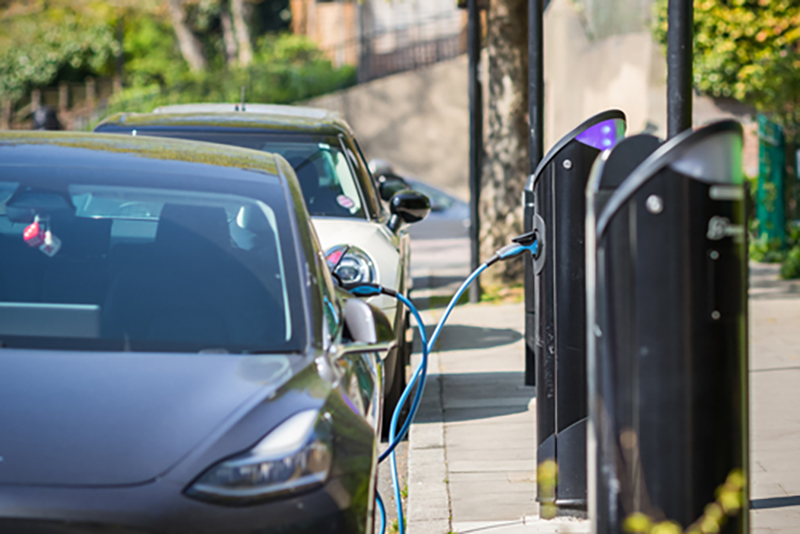
The SMMT notes that battery costs are 30% more than expected, while energy costs are 80% higher and natural demand far behind government ambition.
The industry body calls for full review of the transition to develop a realistic route to decarbonisation while supporting economic growth.
Its report, Same destination, smarter route: Delivering decarbonisation in the modern market, is said to show that the UK’s transition pathway was built on assumptions that have proved to be over-optimistic.
The SMMT says that, while the automotive sector remains fully committed to net-zero, conditions have changed so much, and failing to reassess the route risks undermining the very objectives the policy was designed to achieve.
Also despite having the highest battery electric vehicle (BEV) market share of any major European market, the UK is already falling short of its own expectations.
In 2025, battery-electric vehicles were said to account for 23.4% of new car registrations – below the 28% zero-emission vehicle mandate requirement, and short of the 26% the government originally expected would be achieved without regulation. This is despite a choice of more than 160 BEV models, according to the SMMT.
The society says more than £10bln of discounting by the industry over the last two years has bridged the gap between ambition and demand, as well as mandated flexibilities. But that such subsidies are unsustainable and undeliverable when the targets become tougher at the end of 2027 - 52% for cars and 46% for vans.
Natural market demand is therefore predicted to not deliver on the doubling in new car market share in two years, never mind the quadrupling of electric van market share needed to achieve these targets.
Mike Hawes, SMMT Chief Executive, says, 'The UK’s EV transition pathway was conceived with the best of intentions – but the assumptions behind it have proved over-ambitious. A landscape which once looked solid has turned out to be quicksand. Recognising the world of 2026 is not the one envisaged five years ago is not a retreat from ambition; it is a necessary step to achieving it. We need an urgent review that reflects today’s realities, that delivers decarbonisation not deindustrialisation and offers consumers the choice they have always expected.'