UK Emissions Trading Scheme expansion concerns shipping industry
The UK shipping industry questions plans to extend the UK Emissions Trading Scheme (UK ETS) to domestic maritime.
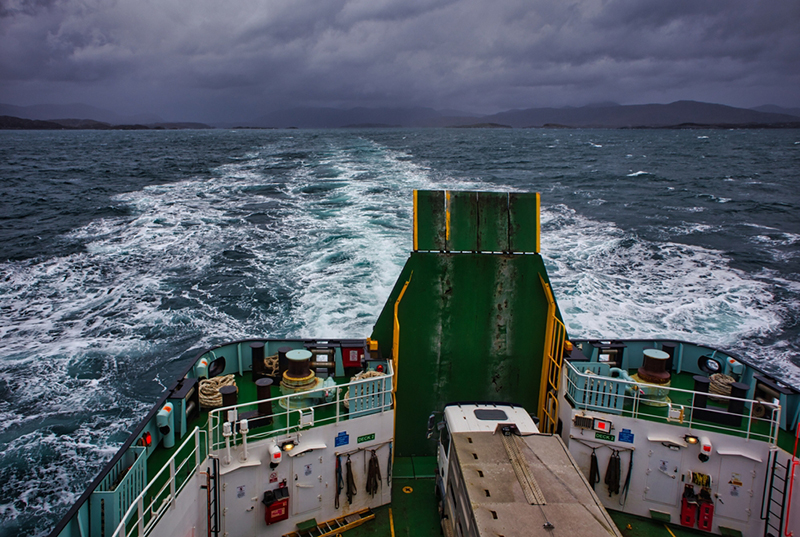
The planned change, from 1 July 2026, risks harming UK competitiveness, increasing costs for island communities and slowing progress towards net-zero, claims the industry.
Published last week, the Draft Greenhouse Gas Emissions Trading Scheme (Amendment) (Extension to Maritime Activities) Order 2026 was passed by the Commons, following limited Parliamentary scrutiny and despite broad-reaching concerns.
A spokesperson for the UK Chamber of Shipping comments, ‘The sector supports the UK’s climate goals, but cannot deliver meaningful emissions reduction without the necessary fuels, infrastructure and clear guidance in place, and unreasonable timeframes to implement flawed policy.’
The shipping body says that premature implementation risks higher costs for passengers and freight, with limited environmental gain. The industry has urged further scrutiny of the measures and called for:
- Ringfencing maritime ETS revenues for shore power, grid upgrades, retrofits and clean fuels.
- Targeted protections for ferry‑dependent and island communities.
- Alignment with EU ETS rules to avoid double‑charging and carbon leakage.
- A phased or ‘monitor‑only’ period until operators and ports have the systems required for compliance.
Industry representatives warn that the UK does not yet have viable fuel alternatives or the port energy capacity required to support low‑carbon operations. Alternative fuels currently cost four-to-five times more than conventional options, and most UK ports lack the shoreside electricity needed to power vessels in port.
Concerns are particularly acute for island and lifeline ferry routes, where fare increases would disproportionately affect residents who rely on maritime transport for essential services, food supply and economic activity. Despite clear precedents, such as protections for Scottish islands and under the EU ETS, equivalent safeguards have not been committed for the UK.
The sector is also worried by a compressed preparation period. The regulations were published in January and come into force just six months later, requiring operators to finalise emissions monitoring plans, hire verifiers, upgrade systems and forecast financial impacts on extremely tight timelines, without full guidance or clarity from government.
Industry warns this could divert investment away from decarbonisation projects already underway.
The Chamber is urging government to:
- Publish full technical guidance
- Revise the implementation timeline
- Protect ferry‑reliant communities,
- Recycle ETS revenues into maritime decarbonisation
- Ensure alignment with the EU and international frameworks.