Critical sectors prioritised for UK Government contracts
Shipbuilding, steel, artificial intelligence (AI) and energy infrastructure are recognised as key domestic sectors.

New guidance on contracts for British business will prioritise areas deemed ‘necessary to protect national security’ to ‘facilitate strong and sustainable industry in the UK’.
This comes following recent events highlighting the fragility of global supply chains and the importance of ensuring domestic capacity in key sectors.
Companies are encouraged to deliver local jobs, skills and apprenticeships to strengthen bids for public sector contracts, aiming to support the Modern Industrial Strategy.
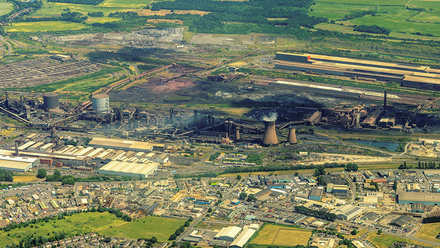
Further requirements are set for steel to bolster the UK Steel Strategy, stating departments must use British steel or provide justification for using steel sourced from overseas.
This also follows publication of the government’s National Security Strategy, aligning national security objectives with plans for economic growth.
While the government focuses on boosting UK resilience, departments will also consider whether outsourced service contracts over £1mln could be done better in-house, using a new Public Interest Test.
This will reportedly cover over 95% of central government contracts by value, and deliver taxpayers a fairer deal and end outsourcing by default.
The government says it believes its spending should ‘create jobs, build skills and strengthen communities’, so it will be placing community impact at the centre of its buying decisions.
It is encouraging companies to integrate national and regional schemes into their bids.
To ensure accountability, departments will publish and annually report on a specific social value goal for all contracts valued over £5mln, covering over 90% of central government contracts by value.
A new suite of AI tools will also streamline the commercial process, with simplified contract terms and additional business information integrated into a central platform, so small businesses don’t have to submit the same information twice when bidding for different contracts.
For more like this...