Report examines Scunthorpe steel site intervention
The UK's National Audit Office has investigated measures to prevent the closure of British Steel's Scunthorpe site last year.
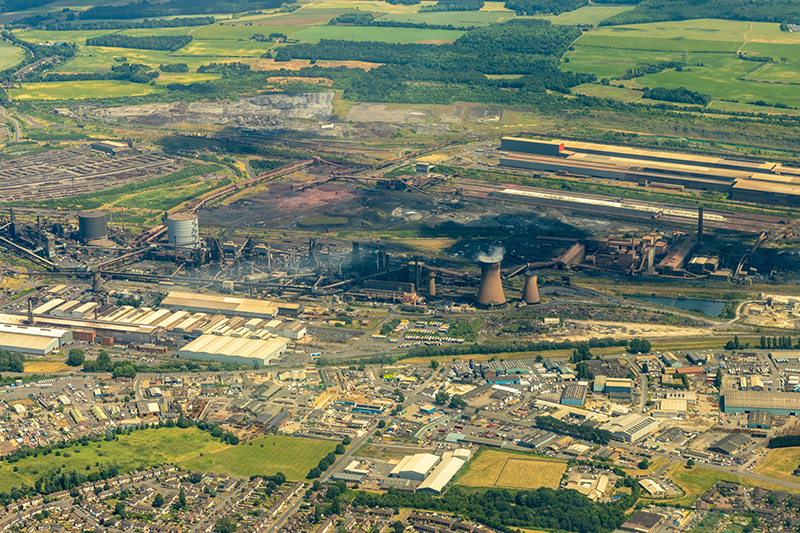
The report, Investigation into the government’s intervention in British Steel’s Scunthorpe site, examines the context and background of the intervention, events leading up to it, current operations, costs and risks, and future considerations.
Jingye Group, the owner of British Steel, announced in March 2025 that it would launch a consultation on the closure of its blast furnaces, due to challenging market conditions.
Led by the Department for Business & Trade (DBT), the government intervened in what it considered would be an imminent and disorderly closure of the blast furnaces.
According to DBT, this would avoid potential job losses and the likely economic shock if primary steelmaking had stopped in Scunthorpe.
The report determines that DBT’s engagement meant it had an understanding of the likely impact, both locally and on key supply chains.
It notes the government has spent £377mln on its intervention so far, with no clear end date, adding that the act has not stabilised the company’s finances, and costs will continue to increase until the intervention has ended.
The report concludes that, while the DBT intervened without a clear exit strategy, it is considering options for British Steel’s longer-term future. It recognises that transition or transformation of the company will come at a cost and decisions must be made quickly to prevent further costs.
The National Audit Office recommends that the DBT aligns its approach with its forthcoming steel strategy and ministerial objectives for the sector.
The report also suggests DBT uses what it has learned from the intervention to prepare for future economic shocks in the steel and other sectors. This includes strategic approaches when it needs to respond quickly, supporting resilience of supply chains, and balancing the risks and cost pressures on other government objectives.