AI and defence spend widen copper supply shortfall
Increased electricity demand from surging artificial intelligence (AI) use and defence spending is straining copper supplies.

According to a study by S&P Global, titled Copper in the Age of AI: The Challenges of Electrification, demand for copper is projected to increase by 50% (to 42Mt) by 2040.
This is attributed to the ‘accelerating pace of electrification’ driven by the AI race and increased defence spending.
The report also identified three other key areas of increasing copper demand, namely core economic uses, energy transition and addition demand, and humanoid robots.
The latter is based on a projection of one billion to 10bln humanoid robots, equivalent to 6% of current copper demand, coming into operation by 2040.
However, existing supply is expected to decrease in coming years due to challenges for the mining sector in the copper value chain.
Projections show a peak in global copper production in 2030, at 33Mt.
The report highlights that the emerging supply deficit, which could reach 10Mt by 2040, poses a ‘systemic risk for global industries, technological advancement and economic growth’.
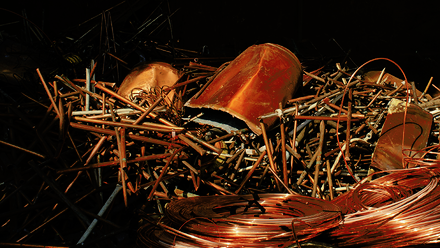
The shortfall is expected to occur despite a projected doubling of recycled copper scrap from 4Mt to 10Mt by 2040.
The projections are based on a bottom-up, technology-by-technology approach to quantify demand, at the point of consumption rather than production, which enables a better estimate of embedded copper demand and potential shortages or surpluses across the supply chain.
Copper has been designated a ‘critical metal’ by several countries over the last five years, according to Carlos Pascual, Senior Vice President of Geopolitics and International Affairs at S&P Global Energy. He says copper’s availability has become ‘a matter of strategic importance’.
Daniel Yergin, Vice Chairman of S&P Global, says, ‘At stake is whether copper remains an enabler of progress or becomes a bottleneck to growth and innovation’.
Development of new mines and expansion of existing assets will be needed to overcome the expected supply shortfall, with the report estimating an additional 10Mt of ‘primary supply’ will be required by 2040, on top of increased recycling.
However, the challenges in the copper sector range from declining ore grades, rising energy, labour and other input costs, increasingly complex and difficult extraction conditions, environmental opposition, lengthy judicial reviews, and pressure from investors and governments.
It currently takes 17 years, on average, for a new copper mine to go from discovery to production.
Another challenge is supply chain concentration, with six countries responsible for around two-thirds of mining production, while China alone controls roughly 40% of total smelting capacity and 66% of main input (mined copper concentrate) imports.
This makes global supply and pricing vulnerable to disruptions, policy shocks and complex trade barriers, according to the special report, which can be accessed on the S&P Global website under Research & Insights.