 European Oxide Scale Conference 2026
Sponsored by

|
|

|
|

|

|
A conference addressing oxide scale formation and the control and removal of scale in high temperature metals processing and final applications
Following the success of the last three conferences, OXI 2014, OXI 2018 and OXI 2022 held in London, which dealt with oxidation mechanisms, oxide scale behaviour and removal as well as characterisation and detection, OXI 2026 will build on these foundation themes. It will address for steel, the transition to low carbon steelmaking and the impact of oxidation where there is an increased used of second-life material (recycling).
This one and a half day conference will specifically focus on improved means of targeting and controlling the oxide scale and metallic substrate interface. The key aim is to optimise overall oxidation in order to improve thermo-mechanical processing (heat transfer/cooling, friction, descaling, etc.), product surface state (reduced surface defect) and in service surface properties for a range of metallic ferrous and non-ferrous materials. The significance of regime maps for oxide scale behaviour and the scale/metal interface and fracture behaviour is also of particular importance to this conference series. For this event we also welcome studies on the consequences of the transition to low carbon steelmaking for high-temperature oxidation.
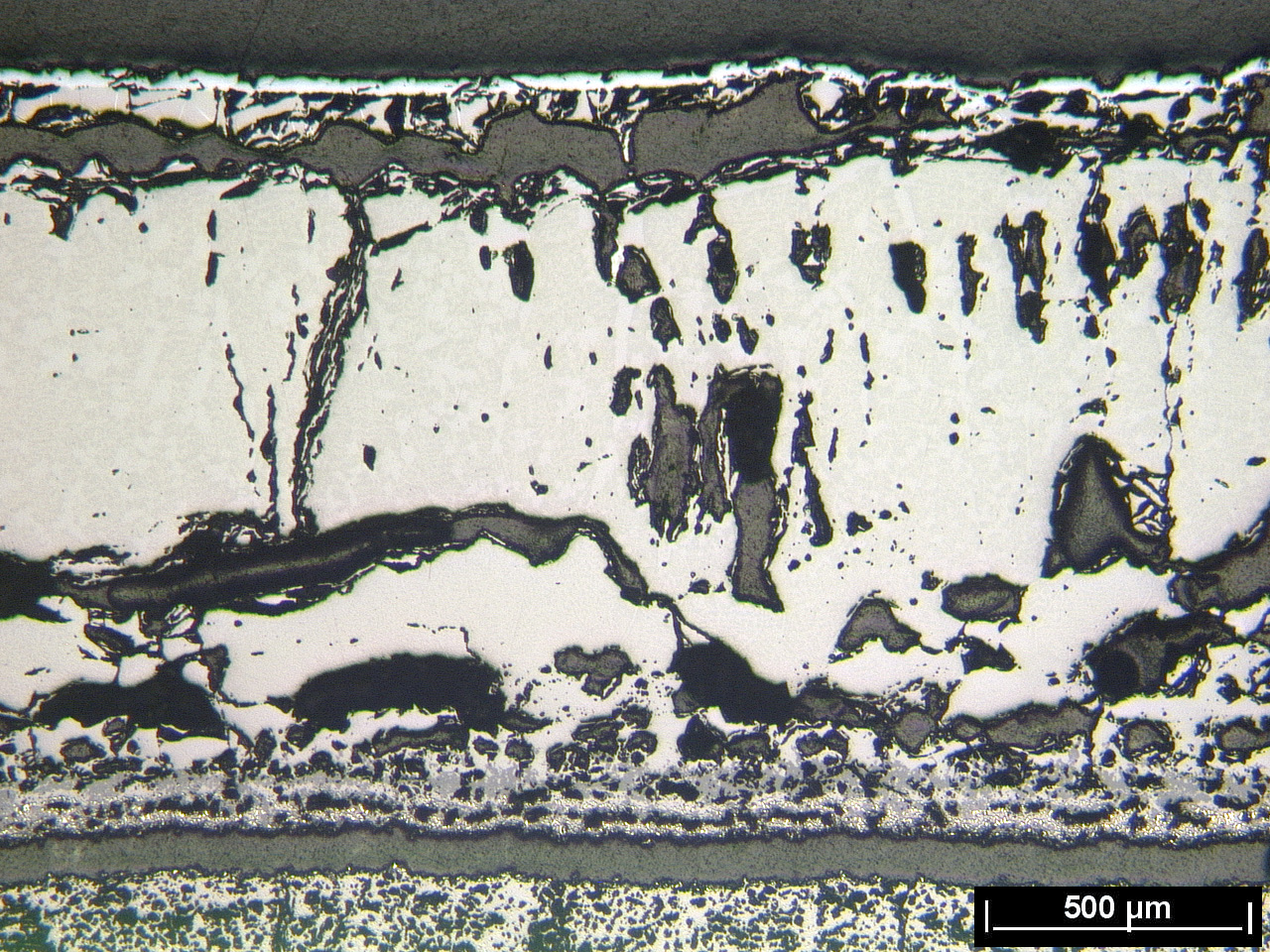
The significance of AI/Machine Leaning (M-L) for encapsulation and developing knowledge, especially combined with synthetic modelling data, is an ever-growing field of activity and should have a place in the field of high temperature oxidation and decarburisation processes. Similarly, oxide scale pilot testing and rapid alloy prototyping techniques for oxidation and oxide scale behaviour are key to the generation of new oxidation property data and the provision of inputs to M-L/on-line and off-line models. These techniques provide a means of optimising processing conditions, including for example coating formulation.

Future challenges still lie ahead regarding the minimisation of oxidation mechanisms for a wide range of manufacturing and in-service sectors. These must be considered for more complex products and faster/harder processing conditions or industrial environments. Current and future challenges need to also consider energy, process and product optimisation with decarbonisation in combination with the effects of residual/tramp elements (Cu, Ni, Cr, Sn, etc.), the green steel agenda and new reheating, potentially hybrid strategies on their impact to new product through process performance.
The event will answer the following questions:
- What is the best strategy for a metals producer for reducing and managing oxidation in terms of product, processes, manufacturing efficiency and capability? This will also consider, decarburisation and green/low carbon emission steel strategies?
- What would be the consequences of the transition to low carbon steelmaking for high-temperature oxidation/reduction, especially with the application of new furnace atmosphere (H2, induction heating, Non-Oxidising Furnace - Radiant Tube Furnace (NOF-RTF) , etc.)
- What is the current status of oxidation removal processes in steel plant related processes?
- How could the use of coatings, or any additional processes, be applied and improved to suit a range of processing and in-service conditions, materials and duty?
- What is the current status in terms of in-line and offline instrumentation and characterisation techniques?
- How modelling through the length and time scale can contribute to further understanding of oxidation processes?
- What could be the role of AI/M-L in supporting/advancing our knowledge and control of oxidation processes?
- What are the basic principles and future challenges in oxidation mechanisms?

Who should attend?
The conference will integrate fundamental understanding with practical engineering application. It will offer those in academia, the metals processing industry and R&D, as well as specialist industries and communities, the opportunity to learn and share experience from this exciting and multi-disciplinary field of research activity.
Previous conference edition: