Warnings that the UK's biomass energy outlet for waste wood could be lost
The Wood Recyclers' Association calls on the government to protect the domestic waste-wood biomass sector.
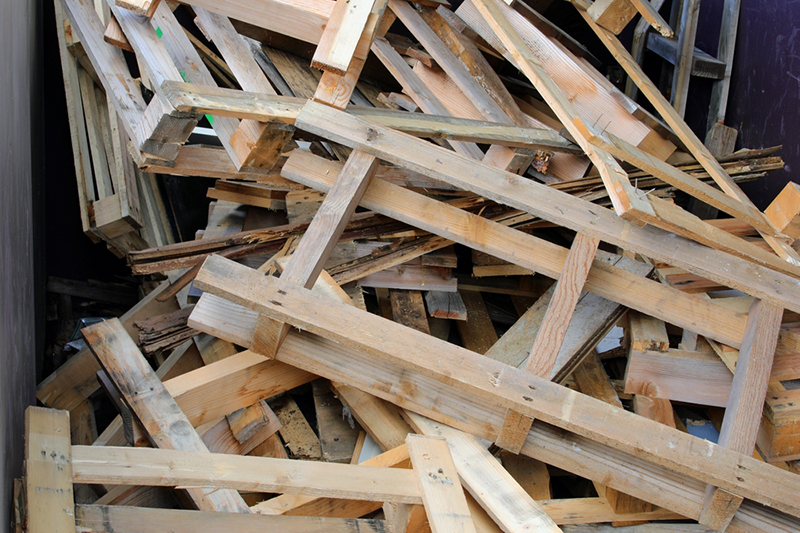
Around 4.5Mt of waste wood arise in the UK each year and the majority of this (nearly 3Mt) is sent to biomass plants each year to produce low-carbon baseload energy. This includes lower-grade material that is difficult to recycle.
However, from April 2027, support for these plants under the Renewables Obligation (RO) starts to fall away, forcing many of these plants to close.
According to the Wood Recyclers' Association (WRA), 'this could decimate the UK’s largest outlet for waste wood, with severe consequences for those throughout the waste-wood supply chain, from local authorities to wood recyclers and waste management companies'.
Since Spring 2025, the market has already seen an 'unprecedented oversupply of waste wood, triggered by a number of factors including temporary outages at end-use facilities'.
However, the WRA warns that this oversupply could just be the ‘tip of the iceberg’ if the future of these plants is not protected. Operators may be forced to export waste wood or divert it to landfill.
Richard Coulson, WRA Biomass Lead, says, 'As anyone in the sector knows, temporary issues with offtake have created a huge oversupply of waste wood in recent months. This has put significant pressure on the market, increased disposal costs and already resulted in some wood being sent to landfill.
'However, this situation could just be the tip of the iceberg if the UK’s waste wood-powered biomass plants are allowed to close from next year, removing an essential, compliant outlet for millions of tonnes of material.
'We will also remove up to 700MW of low-carbon, baseload power from the grid – enough to power 1.5mln homes – at a key moment for the UK’s clean power ambitions.'
He explains, 'The WRA’s member sites have the potential to capture 3.6Mt of carbon emissions per year from the waste wood fraction of fuel alone, through bioenergy with carbon capture and storage. This role was recognised and endorsed in the recent independent Review into Greenhouse Gas Removals (GGRs). Losing these sites now would jeopardise that progress before it even begins.'
The WRA is urging the government to introduce time-bound transitional support to bridge the gap between 2027 and the mid-2030s, when GGR technology and the underlying policy and infrastructure will be available at scale, allowing plants to operate with minimal support.
This support, the WRA suggests, could be delivered through a Contracts for Difference type mechanism at relatively low cost.
For more like this...