Spray-on coating to protect power lines
The technology aims to curb costly power outages during winter storms.
Fixing power outages is hugely carbon-intensive, requiring diesel-powered equipment, replacement materials and added energy use. And as households switch to electric heat pumps, the stakes of a prolonged outage rise.
A team at Massachussetts Institute of Technology (MIT), USA, has developed a polymer coating that repels water and can be sprayed onto aluminum power lines.
The coating contains nanofillers that give the surface a hydrophobic texture.
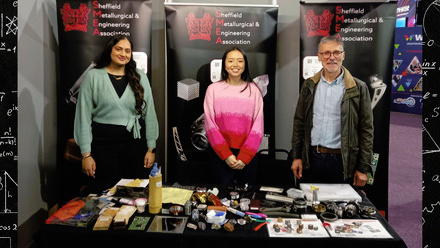
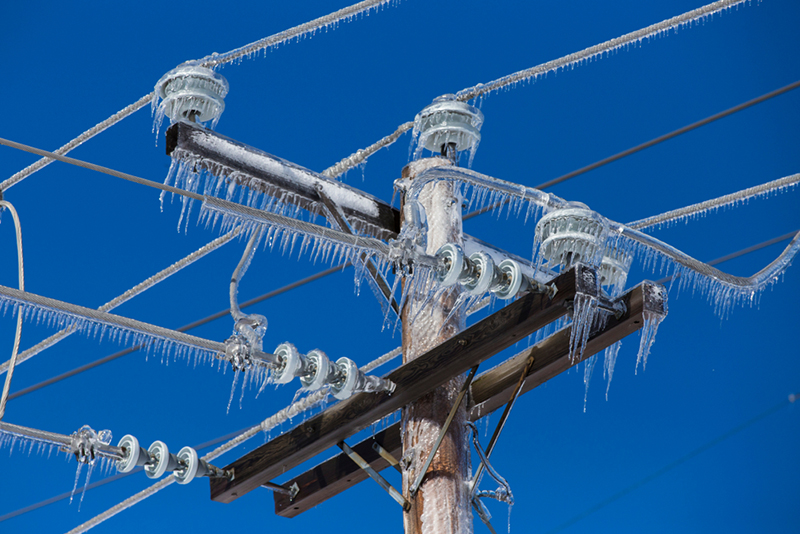
'The big threat to the power line network is winter icing that causes huge amounts of downed lines every year,' says Trevor Bormann, a graduate student in MIT’s Department of Materials Science and Engineering and member of MITten, the winning team in the 2025 MADMEC innovation contest.
MADMEC is a team-based contest that challenges students to design and execute materials prototypes to solve sustainability problems.
At least six start-ups — including personal cooling wristband maker Embr and vehicle-motion-control company ClearMotion — trace their roots to the contest.
The idea for the MITten project came in part from Bormann’s experience growing up in South Dakota, where winter outages were common. His home was heated by natural gas, but if grid-reliant heat pumps had warmed it in negative-zero winter months, a days-long outage would have been 'really rough', he says.
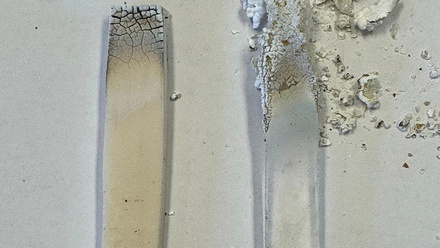
To test the coating, the team built an icing chamber to simulate rain and freezing conditions, comparing coated versus uncoated aluminum samples at -10oC. They also dipped samples in liquid nitrogen to evaluate performance in extreme cold and simulated real-world stresses such as lines swaying in windstorms.
The team ran simulations to estimate that a typical outage affecting 20% of a region could cost about US$7mln to repair. 'But if you fully coat, say, 1,000km of line, you actually can save US$1mln in just material costs,' says gradate student Matthew Michalek.
The team hopes to further refine the coating with more advanced materials and test them in a professional icing chamber.