Renewable energy plan to lower bills and generate jobs
UK Government seeks opportunities in 'clean' energy, as a study finds financial benefits from wind power for UK energy consumers.
The Carbon Budget and Growth Delivery Plan sets out how the UK will continue to reduce emissions in a way that lowers bills and secures jobs, in line with the 2008 Climate Change Act.
The Act’s framework has helped to secure billions of pounds in investment, and the new plan sets out how the British public and businesses could benefit from economic growth, cleaner air and protection of the UK’s natural environment in the coming years.
The plan includes investing in local renewable and nuclear power in a bid to lower energy bills, recruiting more workers for the sector, and the Warmer Homes Plan to upgrade homes with higher standards of insulation and rooftop solar panels.
There is support from Britain’s businesses, trade unions and civil society organisations.
Friends of the Earth’s Chief Executive, Asad Rehman, says, ‘The government has signalled that it recognises that meaningful climate action isn’t just a legal duty – it’s a massive social and economic opportunity too. Done right, it can deliver cheaper bills, warmer homes and thousands of good green jobs.’
Meanwhile, Shirine Khoury-Haq, Chief Executive of The Co-operative Group and co-chair of the Net-Zero Council, says, ‘Clear targets, policy stability and certainty are all key for businesses looking to plan and invest with confidence…Through the Net-Zero Council, we’ll continue to bring together civic society, the unions, businesses and investors to work closely with the UK Government on this vital agenda, including through the development of Sector Transition Plans.’
According to the Confederation of British Industry, the UK’s net-zero sectors are growing three times faster than the overall economy, with emissions reduced by 50% while the economy has grown by over 80% since 1990.
Over £50bln of private investment in clean energy industries has been announced since last July, and the clean energy workforce is set to double to more than 800,000 by 2030.
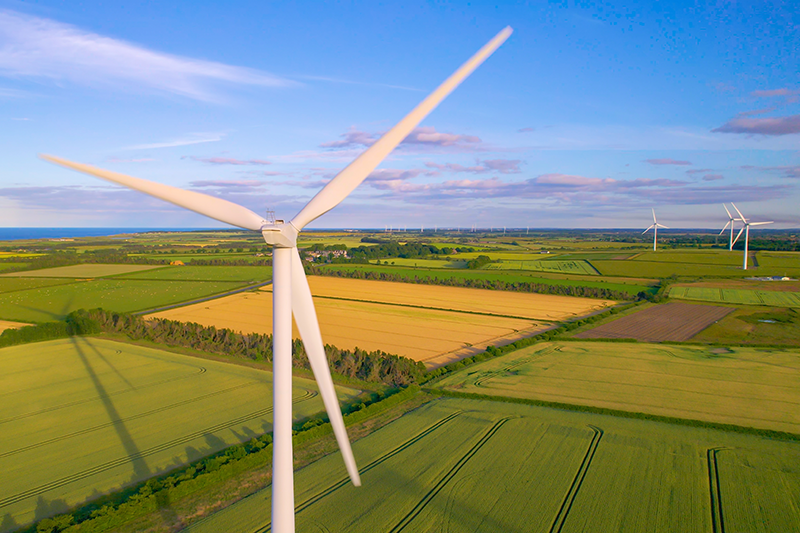
Meanwhile, a new study from University College London (UCL), reveals that UK investment in wind energy brought a net financial benefit of more than £100bln between 2010 and 2023.
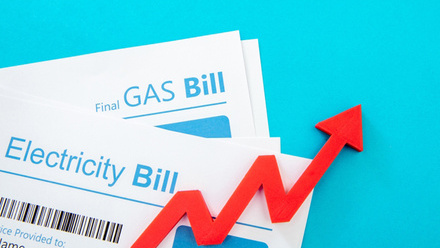
The research finds that wind-generated energy lowered electricity bills by £14.2bln and the cost of natural gas by £133.3bln over the 13-year period. This resulte in a net reduction of £104.3bln in UK energy bills, when offset by £43.2bln in green subsidies paid through consumers’ bills.
Lead author Colm O’Shea, from UCL’s Geography department, says, ‘To put it into context, this net benefit of £104bln is larger than the additional £90bln the UK has spent on gas since 2021 as a result of rising prices related to the war in Ukraine.’
The study’s authors question the fairness of the current funding model, in which electricity users pay 100% of green subsidies used to aid the green transition but receive only 18% of the financial benefit. Natural gas users don’t contribute towards wind investment but have received 82% of the benefit since 2010.
Co-author Professor Mark Maslin, also from UCL Geography, adds, ‘Right now, the biggest winners are not the investors, wind generation firms or even electricity consumers who foot the bill for subsidies – [they are] natural gas consumers, who benefit from reduced household and industrial energy bills.’
The authors also argue that investment in wind energy should be viewed as a public good whereby government support directly benefits consumers and industry.