Good intentions on plastic
Common misconceptions around plastics.

Plastics are often seen as the villain in the fight against environmental pollution. However, the reality is more complex. They play a vital role in modern civilisation and their benefits often outweigh their drawbacks when used responsibly. Plastics reduce food waste through effective packaging, improve fuel efficiency in vehicles and provide essential medical supplies. However, their environmental impact is often misunderstood and overstated due to misinformation and incomplete analysis.
By adopting a holistic approach to sustainability, we can harness the advantages of plastics while minimising their environmental impact. This requires collaboration between industries, governments and individuals.
Education and awareness are crucial to combat plastics misinformation. By promoting evidence-based discussions and challenging misleading narratives, we can foster a more balanced understanding. It is essential we consider the full lifecycle of materials and make informed decisions based on scientific evidence, rather than emotion.
Plastics are less than 1% of the total materials used globally by mass, according to the UNEP Global Resources Outlook 2019. While often portrayed as a major pollutant, replacing plastic with alternative materials could lead to even more waste. With a greater understanding and tools like Life Cycle Assessments (LCAs), we can make informed decisions on material use.
An LCA can reveal surprising insights. An LCA of cotton tote bags by the UK Environment Agency in 2011 concluded they need reusing 100+ times to offset their initial environmental impact compared to single-use plastic bags.
In the OECD’s 2020 report, Improving plastics management: trends, policy responses and the role of international co-operation, insights reveal that replacing plastic packaging with paper or glass could increase the overall environmental impact due to higher energy consumption and more waste during production and disposal.
In the food industry, many companies are exploring plant-based plastics to reduce fossil fuels and carbon footprints.
It’s also worth differentiating between harmful pollution and litter that is improperly disposed waste, which plastic pollution mostly is.
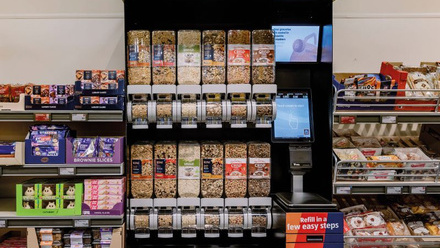
Embracing a circular economy and eliminating single-use materials involves rethinking consumption habits, reducing waste, and designing products for durability and recyclability. Circularity aims to use materials for as long as possible to minimise waste.
However, it comes with trade-offs, such as the additional energy consumed to keep materials circulating. In the aviation industry, a 2020 study in Science of the Total Environment, found that reusable tableware increased fuel consumption due to added weight, offsetting the benefits of reduced waste. This is why the full lifecycle impact of circular solutions need considering.
Many companies are offering repair services for their products and encouraging customers to buy used gear. Implementing deposit systems and improving waste management can also significantly reduce litter and increase recycling rates.
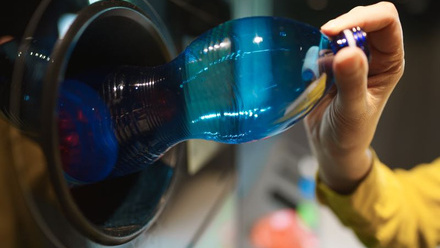
In Germany, a deposit return system for plastic bottles introduced in 2003 has significantly reduced littering of plastic bottles, by 80% in public spaces, and increased recycling rates, over 98% for PET bottles – according to the Ellen MacArthur Foundation in 2020. More than 97% of deposit-marked bottles are returned by consumers, who are incentivised by a refund.
Meanwhile, cities like San Francisco in the US, now have strict littering fines and public education campaigns to reduce litter and improve waste management.
Microplastics are a growing concern, but their environmental impact should be put in perspective. The study, Human exposure to microplastics via household dust ingestion in Environmental Science & Technology in 2021, found that microplastics make up only 0.006% of the dust we ingest daily, while other particles, such as natural fibres and industrial pollutants, are far more prevalent and pose greater health risks.
Yale University in the US and other research institutes are studying microplastic sources and impacts to better understand their environmental and health effects, such as by tracking synthetic textiles or tyre wear, measuring toxicological effects, and designing mitigation strategies.
Additionally, targeting primary sources of ocean pollution, such as discarded fishing gear, can help resolve the problem of marine plastic debris.
Recycling is often seen as the solution to the plastic problem, but it has many challenges, e.g. infrastructure – the root of the problem is waste management. Effective recycling requires proper sorting and collection, which is often lacking. However, there are recycling programmes in development that collect hard-to-recycle plastics for new products. Industry start-ups are also creating chemical recycling technologies to deconstruct plastics into their original monomers for reuse.
It’s time to rethink our relationship with plastics and recognise that they are often the more sustainable choice compared to alternatives. We need to engage critical thinking, media literacy and make informed decisions.