MPA slams UK Landfill Tax reforms
The Mineral Products Association say the reforms could trigger shortages in aggregates and damage growth.
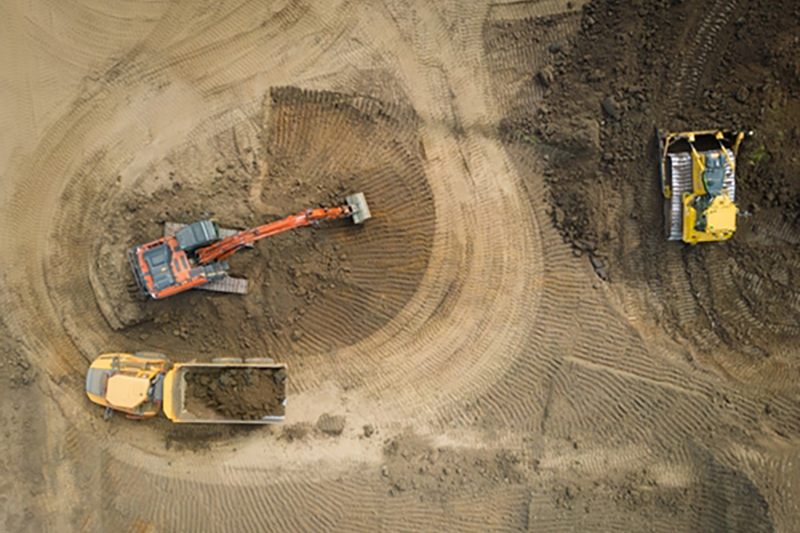
Responding to the Treasury’s consultation, MPA has alerted ministers to the consequences of removing the ‘quarry exemption’, whereby inert waste materials that cannot be used in construction are exempt from Landfill Tax when used in the restoration of quarried land to create new areas of nature conservation or to bring agricultural land back into use.
The MPA says 'misguided' tax reforms meant to reduce landfill would have a devastating impact on one of the UK’s key foundation industries, with a knock-on impact for UK construction and nature conservation.
The trade association is warning the government that the changes, which are scheduled for 2027, risk triggering a nationwide shortage of aggregates, threatening quarry restoration plans and hitting construction with a double-whammy cost increase.
MPA claims British mineral products industry recovers more demolition and excavation waste for use as construction aggregate than virtually anywhere else in Europe. It says that bringing in inert materials with no other economic use, such as chalk, clays and soils is important for operators to fulfil their quarry restoration commitments.
Coupled with the proposal for a single rate of Landfill Tax from 2030, the MPA estimates the removal of the quarry exemption will add billions of pounds onto the cost of operating many of the UK’s quarries and delivering their restoration plans.
Those sites would be no longer economically viable either to operate or to restore, it claims. The association deems more than 50 active quarries in England operated by their members to be at risk under the current Treasury proposals, threatening availability of essential materials and potentially leaving quarries unrestored for decades.
The MPA reports the UK consumes ~200Mt of aggregates a year for use in construction or as a key ingredient in concrete or asphalt. Replenishment rates of mineral products are already at an all-time low, it stresses, e.g. of 100t of sand and gravel sold in the last 10 years, only 61t of new permissions have been granted.
The MPA calculates that the current proposals would add between £22,000 and 28,000 to the cost of building a new house, based solely on the additional cost of waste disposal. Some infrastructure schemes would face increased costs running into tens or even hundreds of millions of pounds.
It proposes that quarries currently operating under the exemption, which was introduced in the late 1990s, should be allowed to continue, while new applications to support restoration activity would have to be permitted as ‘recovery’ sites.
Mark Russell, Executive Director for Planning and Mineral Resources at MPA, says 'Quarries have strict planning conditions to ensure land can be restored to good use after extraction – this relies on bringing in inert materials with no other use, such as chalk, clay or soils. Taxing these materials at over £125/t is as damaging as it is absurd, and will result in worse environmental outcomes while adding significant costs to the delivery of infrastructure and housing.'
For more like this....