Engineering a new future
Mentors and mentees on refugee support programmes share their experiences
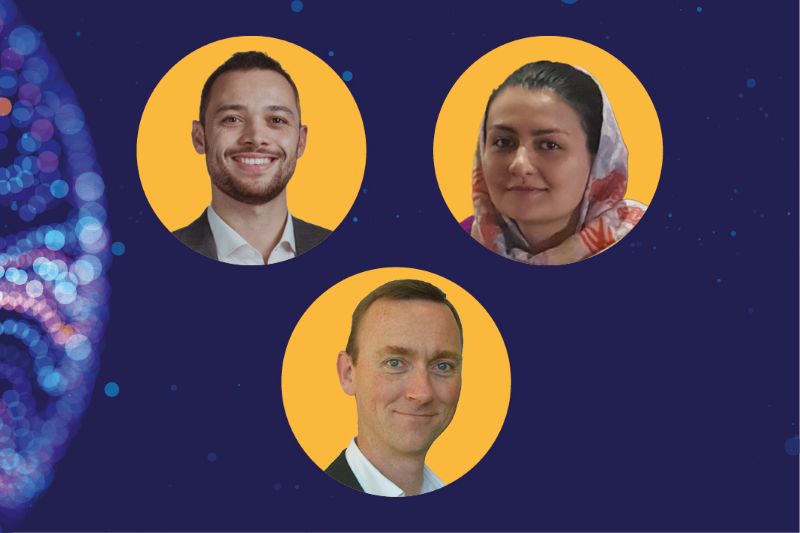
Refugees with overseas professional experience and qualifications can find it incredibly difficult to rebuild their career in the UK. Mentoring helps many individuals to navigate this process. We hear from individuals on a national and regional programme.
The first pair of case studies come from Refugee Employment Network (REN), the UK’s only national network dedicated exclusively to refugee employment. The Engineering Council is working with the REN, with support from professional engineering institutions, to provide a mentoring programme to engineers and technicians with refugee status.
Kyle McLean – mentor on the Refugee Engineering Mentoring programme

Kyle is a Chartered Civil Engineer with experience in the water and international development sector. He has a background in undertaking concept to detailed design for various dams and river engineering schemes, including hydraulic, structural and geotechnical design in the UK, Bangladesh, Egypt and India.
Why were you inspired to work with and support refugees?
In an ever-changing world, impacted by factors such as conflict, climate change and geopolitics, it’s easy to feel helpless as an individual when it comes to trying to make a positive impact. Having been fortunate enough to travel around the world, I’ve realised how lucky I am to live in a developed, democratic country where people can dream big and pursue their passions.
I’ve always found that mentoring and coaching have had the biggest impact on my career to date. I therefore wanted to give back in a way that would provide purpose and support for those who have had no choice but to flee their own country.
What have you learned from the mentoring experience?
The mentoring programme is based on supporting refugees with their integration into the UK STEM sector. I’ve learnt that it’s often the small things that can have the biggest impact. For example, how to sign up for online CPD events, having informal chats about my experiences in the industry, and connecting mentees with people in your own network. These all might seem trivial, but they can have a real impact.
I’ve realised that it’s not an easy task to integrate into the UK industry. You first need to get your qualifications recognised, which can often be time-consuming and costly. It then often helps to become a member of an institution to access CPD events, networking opportunities and professional recognition. It’s been great to see how much support several of our engineering institutions provide for those on reduced incomes or with special circumstances.
What has been your highlight of the mentoring journey?
Helping my mentee to become a Graduate Member of the Institution of Civil Engineers, by getting their academic qualifications recognised and helping them apply online. This opened up several opportunities for them to integrate further into the UK industry.
Connecting my mentee with two other colleagues I know, from the same country – both a Chartered Civil Engineer and Fellow. This allowed my mentee to learn more about the range of experiences and opportunities in the UK. It also allowed for discussions in their mother tongue – which was incredibly valuable.
I was amazed at how quickly my mentee gained confidence by the end of the programme. It was clear, through their dialogue and body language, that they had developed and grown an incredible amount. This resulted in my mentee becoming more confident at applying for, and conducting, interviews, and having the courage to ask questions and attend networking sessions alone.
What support can refugees get in transitioning into a UK role?
This specific programme fundamentally focuses on integration into the UK STEM sector, however, wider support is available. We utilise the Goal, Reality, Opportunity and Will (GROW) model framework, to first discuss goals, before looking at the present situation, future options to achieve these goals, and then work together to identify how we can commit to these goals.
In general, the objective is to forge a relationship that allows the mentee to feel comfortable and safe, asking their mentor any questions relating to their career aspirations.
What advice would you give to refugees looking to work in UK STEM roles?
There are probably multiple priorities that are trying to be balanced when beginning your journey to integrating into a new society. Finding a career that you can enjoy and feel passionate about may not seem important in the grand scheme of things. However, you should never give up on your aspirations. There are many people out there who are willing to help and support you.
I would recommend contacting the REN (and if you know, a STEM institution that your experience aligns with) and exploring mentoring opportunities, where you will have the chance to develop your skills, explore potential career options and join institutions. This will also allow you to meet new people and have the support to truly unleash your full potential.
Fereshta Sarwarzada – mentee on the Refugee Engineering Mentoring Programme
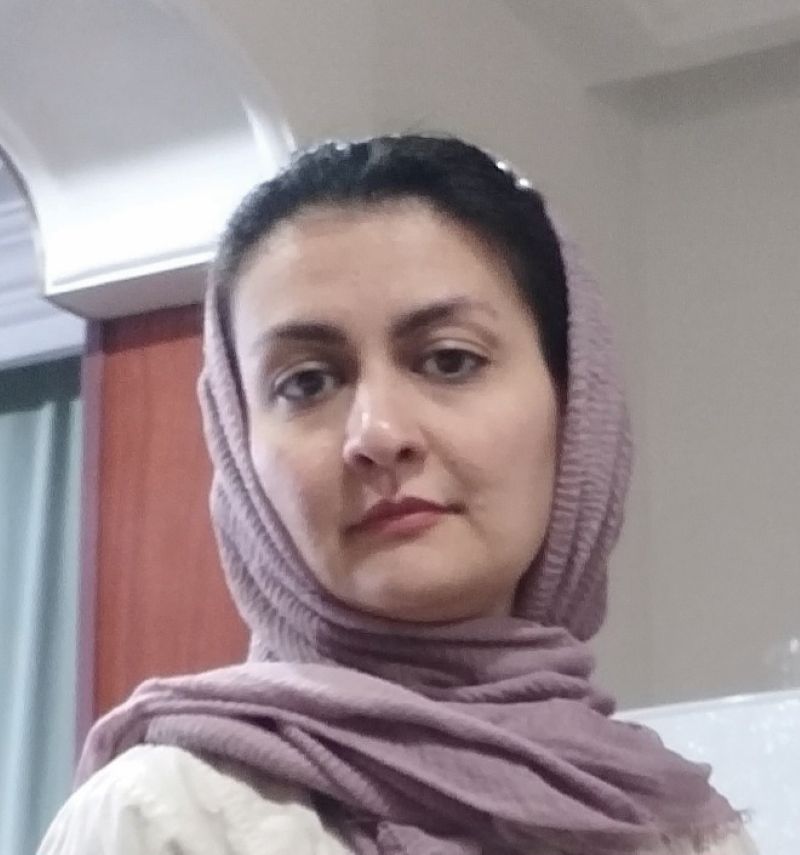
Fereshta Sarwarzada is a mentee on the Refugee Engineering Mentoring Programme and was matched with Kyle (the mentor featured on the previous page). Her home country is Afghanistan. She has a Master’s degree in Civil Engineering – Water Engineering, and three years of professional experience in her home country, including as a lecturer in hydraulics.
Why were you inspired to work in engineering?
I enjoyed Maths and Physics in primary and secondary school. When I started university, I realised that all the modules with mathematical and physical rules behind them were the ones I was most interested in.
Hydraulics of surface water and groundwater, hydrology, water structures design, numerical modelling and river engineering were the one’s I enjoyed the most. Their links to real life were the reason I have always been looking for roles in similar contexts. Securing job opportunities in water engineering gave me the feeling that these roles are exactly what my childhood, adolescent, and adult self had been looking for.
What are your previous experiences in engineering and how has your background informed your perspective?
My previous experiences involve working as a hydraulics lecturer at a university for a year and as a hydrologist for two years. Bringing my knowledge and skills to the UK, I am looking forward to adapting them and taking them to the next level. I am actively searching for hydrologist and hydraulics engineer roles.
Given the differences between my home country and the UK in terms of regulations in the water industry and workplace, there is a critical need to update and enhance my background to secure jobs.
What unique experiences do you have to offer a UK engineering role?
My desire to do research. For my Master’s thesis, I carried out extensive research on numerical and analytical methods to calculate head loss in nonlinear groundwater flow. I contacted at least 10 scientists across the globe to help me figure out and re-apply their methods for scenarios I had planned for my thesis. I developed resilience and a solution-focused attitude while working on my thesis.
Also, when I started my job as a water engineer in my home country, I was asked to use a new online platform to adapt satellite imagery for the projects the team undertook.
Additionally, I am very proactive in making and maintaining working relationships. I appreciate the people I work with and how they can influence the quality of the work I do. I learn from every colleague, and even a small piece of advice from them can enhance my knowledge, skills and attitude toward my role. I also work hard to achieve target objectives.
What is the main challenge you face getting into engineering in the UK?
As I have been working actively to secure a water engineering job in the UK for a year and a half, I am aware that the main challenge has been finding a starting point. I am very interested in taking a role that can, after a while, bring me closer to becoming a hydrologist or hydraulic engineer. I am working hard on applying for jobs (such as early careers and apprenticeships) that fit with my work experience but can, in the near future, help me take steps towards working as a water engineer.
What support were you offered in transitioning into a UK role?
Through participating in the REN mentorship programme, I had the opportunity to be introduced to a civil engineer who had experience working on diverse projects in water infrastructure. We had six meetings together, which were planned carefully and comprehensively to meet the targets of the REN mentorship programme. We discussed what objectives I needed to consider for my progress through this programme and how he could support me. Second, we agreed on the priority of four main issues to be covered in our meetings:
- My lack of experience in the water engineering industry in the UK and how I could update my previous knowledge and skills-set.
- My mentor helped me with the whole procedure to obtain graduate membership of ICE. I needed to be professionally qualified.
- He introduced me to two engineers originally from my home country. We had separate meetings and, during these, I had the opportunity to talk to them in my first language and ask how challenging searching for and getting engineering jobs in the UK was for them.
- I also had the chance to improve my CV, my LinkedIn profile and my interview skills.
What was the best advice/support that you were given in applying for a UK role?
The best advice was this, 'You are so close to the position you are looking for – just keep applying and it will come to you someday soon!'
-----------------------------------------------------------------------------------------------------------------------------------------------------------------------
Refugees & Mentors CIC and Jacobs started to collaborate in 2021 to support refugees in Greater Manchester. We hear from an experienced mentor and a refugee now back in their profession.
Anonymised mentee on Jacobs’ refugee professionals mentoring programme, UK, Geotechnical Engineer
What was the major challenge you faced getting into engineering in the UK?
Not knowing where to start. I took all my paperwork to the job centre as soon as I had the work permit, but rather than pointing me in the right direction, or signposting me to who could help, they asked me to apply for other jobs (mainly low-skilled jobs), which I did for five years, rather than in geotechnical engineering, which I had studied for five years, and had about 10 years’ of experience. Also, they sent me to a very basic IT course when I had worked on much more complex engineering software.
The language and communication barrier, especially required terminology in civil/geotechnical engineering, which is vital to use in personal statements and interviews.
Qualification recognition. Again, I spent a lot of time trying to identify the recognition body, and understand how to approach them. Even after knowing the National Academic Recognition Information Centre (now UK ENIC), it was very hard to get the recognition due to the ongoing war and difficulties to communicate with overseas universities.
Navigating the UK job market. I was unfamiliar with the recruitment procedure, how to put together a personal statement, CV formatting and how to prepare for an interview.
No access to a professional network.
The type of immigration status. Some employers do not want to hire refugees, as their permission to work is aligned with their status, which is not guaranteed to be extended/or changed to indefinite leave.
What was the best advice/support that you were given in transitioning into a UK role?
Never give up, identify gaps in your knowledge and experience to bridge them. Always remember there is a 'hard start, first step' in every great journey.
What did you learn from working in the UK?
Putting safety first was impressive, and keeping the nature and environment at the heart of any project initiation.
Were there any differences in culture and job focus from roles you have taken outside the UK?
The culture of caring and work-life balance (not with all employers).
What advice would you give to other refugees who wish to establish their career in engineering in the UK?
Reach out to an organisation like Refugees & Mentors CIC and explain your previous qualification/experience and what you might be looking for. But always remember, no one knows you as you do, and no one can help you as you would do. So never give up.
How have you focused on your continuous professional development?
The idea of CPD was very new to me. This is another struggle and barrier most of the new arrivals to the UK, regardless of their qualification and experience, may not cross CPD in their careers in other parts of the world.
I started the route to chartership. It is a very long, exhausting journey, and most of the time you may need to start from scratch and start building up experiences that align with the professional body’s requirements.
Most of the employers may not offer the work opportunities required to achieve attributes by professional bodies. I have been trying hard, but it is very difficult when you are putting 500% effort/time to prove yourself at work, have family obligations and war still ongoing back in the country you came from, where you still have your parents/siblings stuck there.
Ed Cole, Executive Director of Operations, Jacobs, UK – mentor on the Jacobs’ refugee professionals mentoring programme, UK
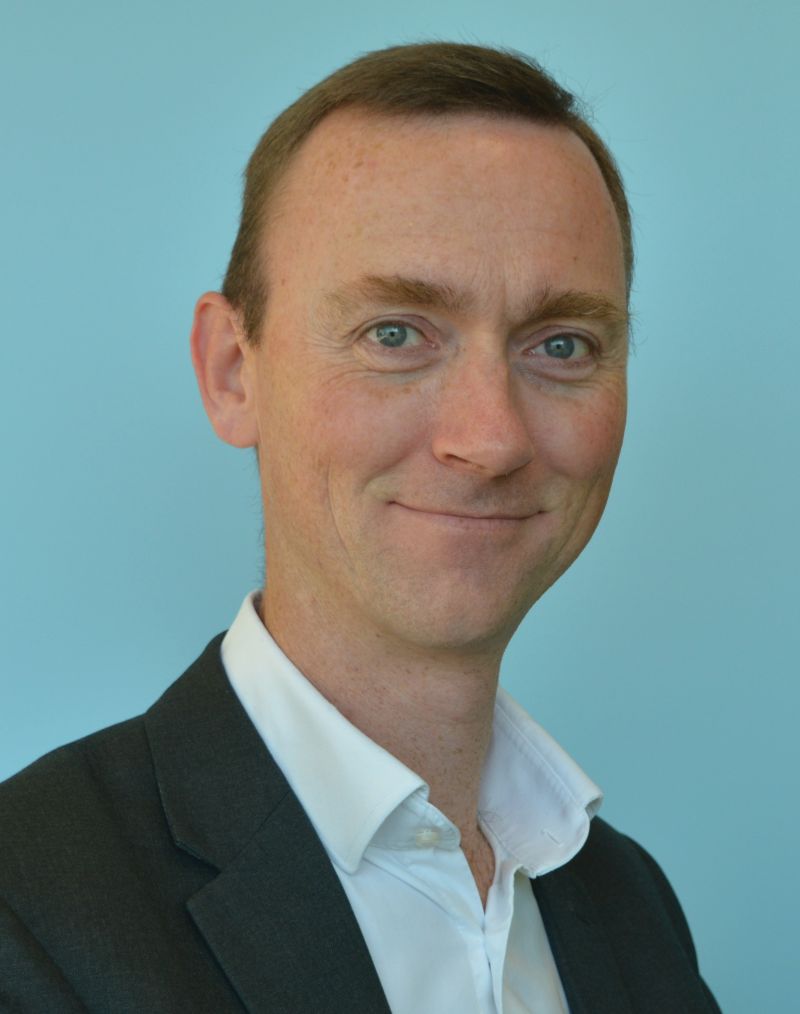
Why were you inspired to work with refugees?
I’m inspired by the resilience and determination refugees show in rebuilding their lives, often under incredibly challenging circumstances. Supporting them in restarting their professional careers in the UK is not just about employment — it’s about restoring dignity, confidence and a sense of belonging.
I believe that everyone deserves the opportunity to contribute their skills and experience, and I’m motivated by the chance to help unlock that potential.
What have you learned from the mentoring experience?
Mentoring has taught me the importance of listening deeply and being flexible in my approach. Each refugee’s journey is unique, shaped by different cultures, professions and personal experiences.
I’ve learned how to better navigate cross-cultural communication, and I’ve gained a deeper appreciation for the systemic barriers that can exist — and how small, consistent support can make a big difference.
What has been your highlight of the mentoring journey?
One standout moment was seeing a mentee secure their first UK-based role in their field after months of preparation and setbacks. The joy and pride they felt, and the confidence boost it gave them, was incredibly rewarding. It reminded me that mentoring isn’t just about guidance, it’s about supporting someone as they reclaim their professional identity and self-confidence.
What support do you offer to refugees in transitioning into a UK role?
I offer tailored support depending on their background and goals. This includes:
- CV reviews aligned with UK standards
- Interview preparation and mock interviews
- Navigating job applications and recruitment platforms
- Insights into workplace culture and expectations
- Connecting them with relevant networks and opportunities.
I also try to be a sounding board — someone they can trust to ask questions they might not feel comfortable asking elsewhere.
What advice would you give to refugees looking to work in UK STEM roles?
First, don’t underestimate the value of your international experience — it’s an asset. Focus on translating your skills into language that UK employers understand.
Second, seek out professional networks, mentoring schemes, and industry events — they’re invaluable for building connections. Finally, be persistent. The path may not be linear, but with the right support and mindset, opportunities will come.