Brownfield mining draws less scrutiny compared to new mines, finds report
Expanding and intensifying mining at existing sites can reportedly 'worsen environmental and social risks over time'.
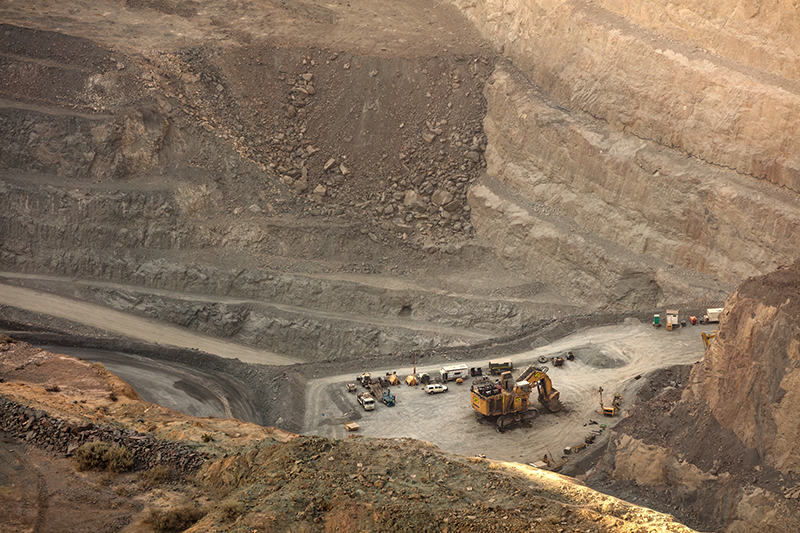
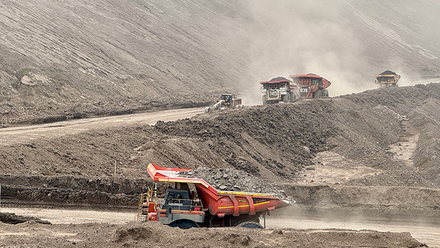
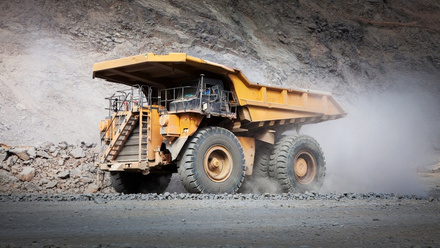
The rise of brownfield mining is reshaping global mineral supply and intensifying social and environmental risk, published in One Earth, claims that brownfield mining operations draw less scrutiny and regulation than newly-built mines.
Increases in demand for minerals, such as copper, cobalt and lithium, largely driven by the renewable energy transition and electrification, is causing many mining companies to expand mineral extraction at existing mines rather than opening new sites.
Professor Deanna Kemp, from the University of Queensland, Australia, says, ‘Current policy and debate are focused on approving new critical mineral mines.’ The approval and development process can take up to 15 years.
But her team notes that brownfield mining reportedly generates more waste, uses more land and can lead to greater overall impact in the areas surrounding their sites.
It is a common practice in the industry, but its scale, pace and impact are not understood and are investigated by Kemp and her team in their paper.
The study identified 366 brownfield sites for analysis, including mapping with satellite imagery and data tracking social and environmental conditions.
They show that capital has increasingly been flowing towards brownfield mining, and that many are concentrated in countries with high levels of structural inequality, with more than a third in countries affected by conflict or militarisation.
Nearly 80% of the sites analysed are in locations facing high-risk conditions, such as water scarcity, weak governance, or limited press freedom.
The team also found more than a fifth of the sites sit within 50km of ecologically pristine or partially modified areas, including Arctic tundra regions and high-mountain environments, while more than half are within 20km of biodiverse or protected areas, potentially threatening these sensitive ecosystems.
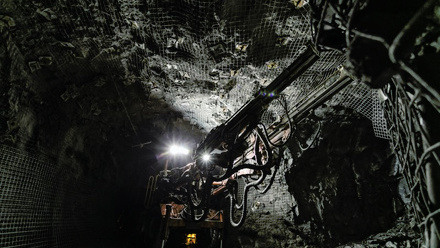
Kemp says new mining technologies allow expansion to happen underground, so the team could have underestimated its extent, as it would be more difficult to detect and evaluate using satellite imagery.
She adds, ‘If larger, deeper and longer-life mines is how we move the energy transition forward, our regulatory frameworks should better reflect that practice.
‘[This] means assessing mine expansion for cumulative and long-term effects rather than treating expansion as a routine decision compared to new projects.’