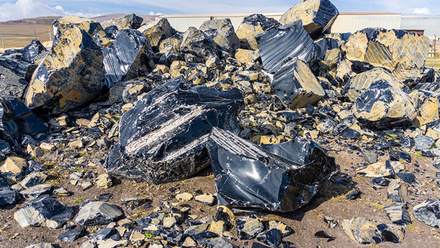
Artisanal mining releases heavy metals, work to protect health and income starts
Communities in Ghana face risk of harm from artisanal mining practices, study shows.
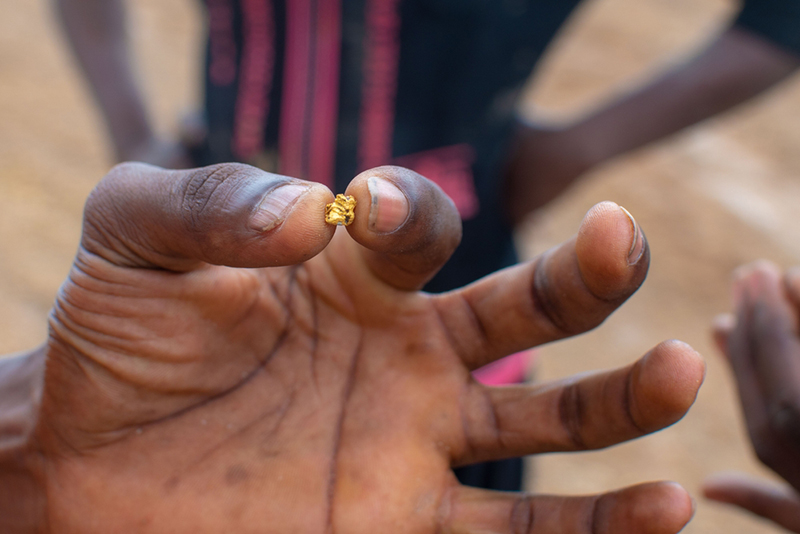
As gold prices soar and output increases, Pure Earth Ghana, in collaboration with the Ghana Environmental Protection Authority (EPA), has completed a study assessing the presence of mercury and other heavy metals in artisanal and small-scale gold mining (ASGM) communities in the country.
The assessment provides insights into the levels of mercury, lead, arsenic and cadmium in the environment and highlights areas where attention is needed to protect communities and food systems.
Between August 2024 and September 2025, researchers tested soil, water, air, crops, and fish across 11 sites in six regions: Ashanti, Western, Western North, Central, Eastern, and Savannah.
The findings serve as an important evidence base for strengthening ongoing government and community efforts in environmental health and food safety.
Key findings show:
- Soil: Mercury levels at Konongo Zongo (Ashanti) exceeded safe guidelines by over 560%. Arsenic reached 10,060ppm.
- Water: In Konongo Odumase, arsenic levels reached 3.30mg/L, well above drinking water limits. Asiakwa (Eastern Region) recorded widespread unsafe lead levels in water.
- Air: Mercury vapour at Wassa Kayianko peaked at 150 µg/m³ during smelting.
- Food: Vegetables were contaminated with lead, arsenic, and cadmium.
The results were shared at a stakeholder workshop in Accra, bringing together government officials, environmental agencies, civil society, and development partners.
The discussion focused not only on the findings, but also on collaborative solutions including safer mining techniques, improved monitoring, food safety watch programmes, and stronger community engagement.
The organisations will now work together on training local officers to detect pollutants, developing evidence-based data to guide decision-making; working with miners, farmers and families to safeguard health and livelihoods; and developing follow-up studies to measure direct effects.